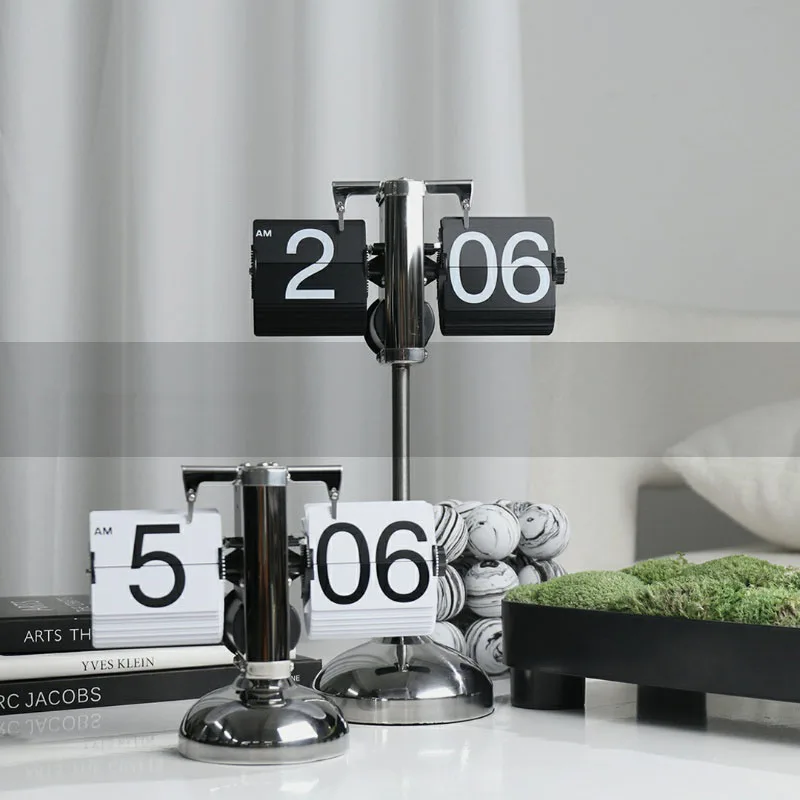
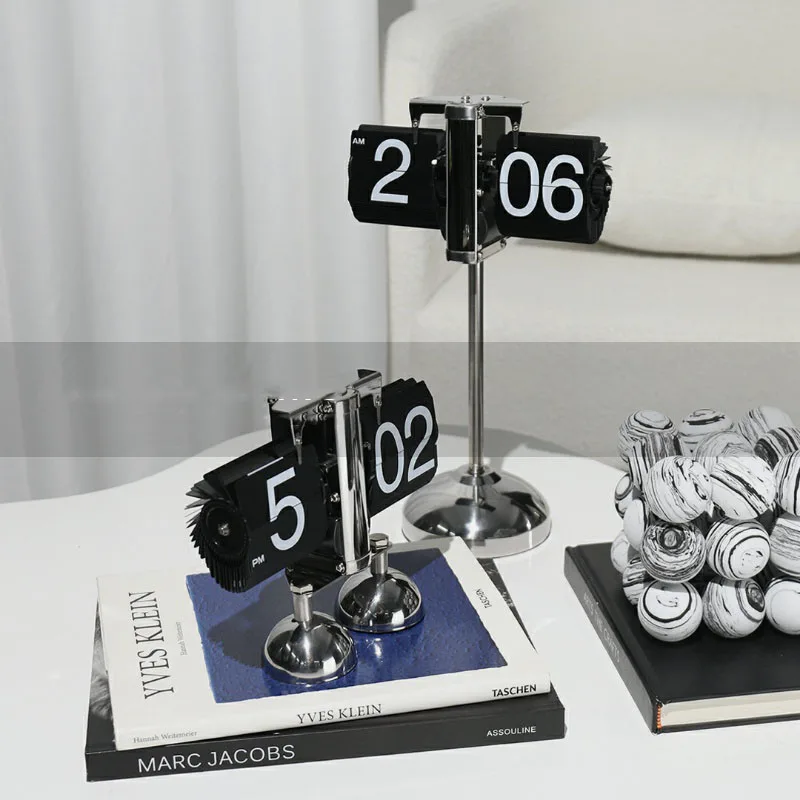
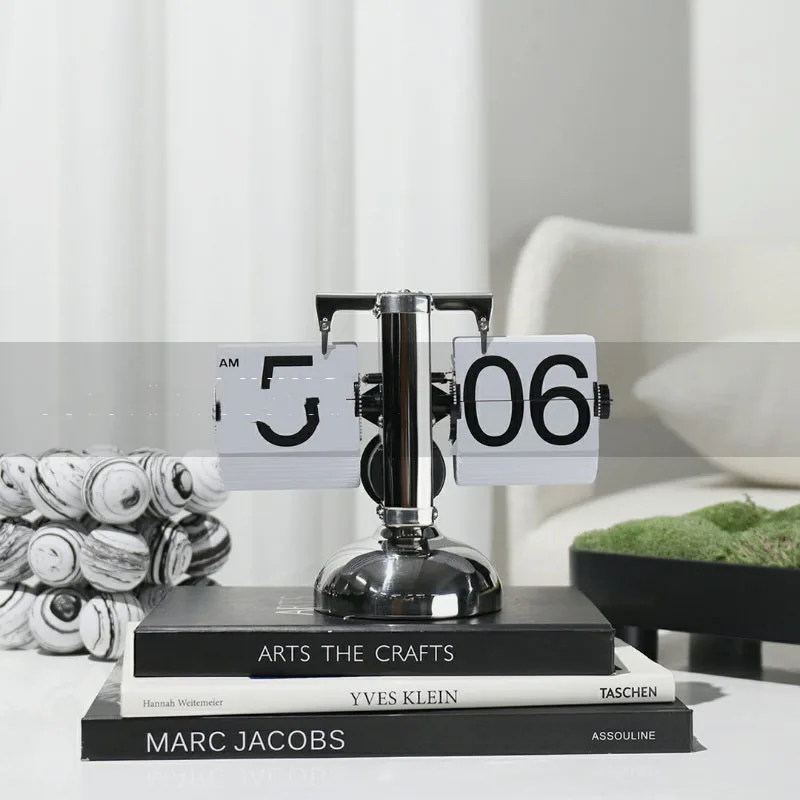


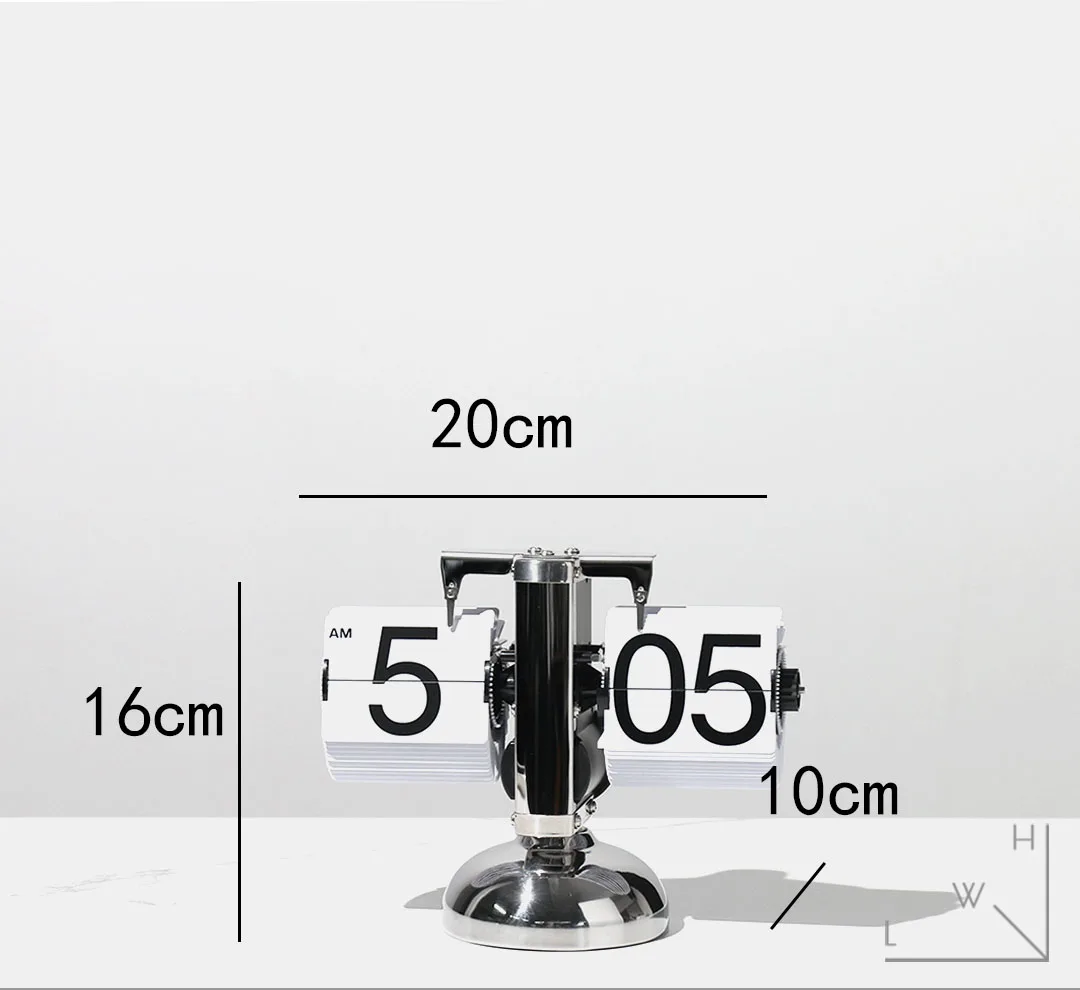
Description
Bedtime rarely goes to plan when a child is still getting used to the idea of lights out. An automatic children’s bedtime routine clock gives a young child a visible, consistent signal for when it is time to sleep and when it is time to get up, so the instruction comes from the clock rather than from a parent repeating the same request for the twentieth night running. It is most useful for families working through a settling-in period, a new room, a move, or a child who keeps testing the boundary every evening.
What it is and how it works
The clock is a bedside display that switches itself through the day according to a set routine. Rather than needing to be reprogrammed each evening, it runs automatically once it is set up, so the same change happens at the same time every day. That repetition is the point. Children tend to accept a rule more readily when it arrives in the same form each time, and a clock that changes at a predictable hour removes the sense that bedtime is a negotiation.
Setting it up for the first time
Start by choosing the times that matter to your household: the time the room should begin to feel like night, and the time your child is allowed to get up. Keep the two as far apart as your routine genuinely needs, and avoid setting a wake time that is earlier than your child can realistically accept. Place the clock somewhere your child can see it from bed but where the display will not shine directly into their eyes. Run the first few evenings alongside your usual bedtime steps, such as a bath, a book and a glass of water, so the clock becomes one more familiar part of the routine rather than a sudden change.
Using it day to day
The clock works best when you point to it rather than repeating the time yourself. Saying “the clock says it’s still sleep time” moves the authority away from you and onto something neutral. When the change happens, stick to the agreed response, whether that is a quiet reading book or simply lying down. Consistency over the first two weeks does most of the work. If you change the times often, the clock loses the predictability that makes it effective.
Who it suits
Families with pre-school and early primary-age children will get the most from it, particularly where a child wakes early and wanders into the living room, or where bedtime has become a long series of requests. It is less useful for a baby who needs feeding and settling at irregular intervals, since those needs do not follow a clock. Parents who prefer a flexible approach may find a fixed display too rigid for weekends or travel, though it is easy to pause the routine on those occasions and resume it afterwards.
Practical situations
A clock like this is particularly helpful during a house move, after a new sibling arrives, or when a child moves from a cot to a bed. In those periods children often feel less secure, and a predictable signal that stays the same from night to night can reduce the number of times they come looking for a parent. Keep the clock in the same place in the bedroom through these changes so that it remains a fixed reference point.
Limitations
The clock solves timing, not the reasons a child finds it hard to settle. If a child is anxious, unwell or disrupted by noise, the clock will not address that on its own, and it is worth looking at those factors separately. It also depends on you sticking to the times you have chosen. A routine that is enforced for three nights and then abandoned will teach a child that the clock can be ignored.
Key benefits
- Automatic daily routine changes: the display switches at set times without you reprogramming it each evening.
- A neutral reference point: children respond to the clock rather than a parent repeating the rule.
- Predictable repetition: the same change at the same time each day builds familiarity over the first weeks.
- Easy to pause for weekends or travel and resume afterwards without rebuilding the routine.
- Useful through transitions such as a move, a new sibling or a move from cot to bed.
Specifications
| SKU | 3256808187456587 |
|---|---|
| Colour | A, b, C, D |
Specifications are as supplied by the manufacturer.
 Thick Cashmere Wool Winter Socks
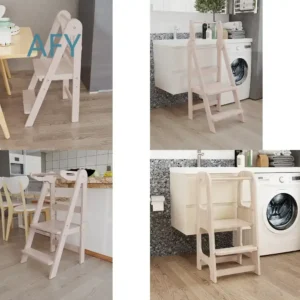 Foldable Children’s Step Stool with Grip Surface
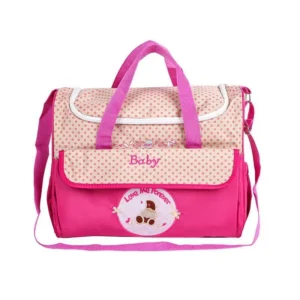 Adjustable Baby Changing Bag Divider
 Smart Children’s Lost Item Tracker



Reviews
There are no reviews yet.