Description
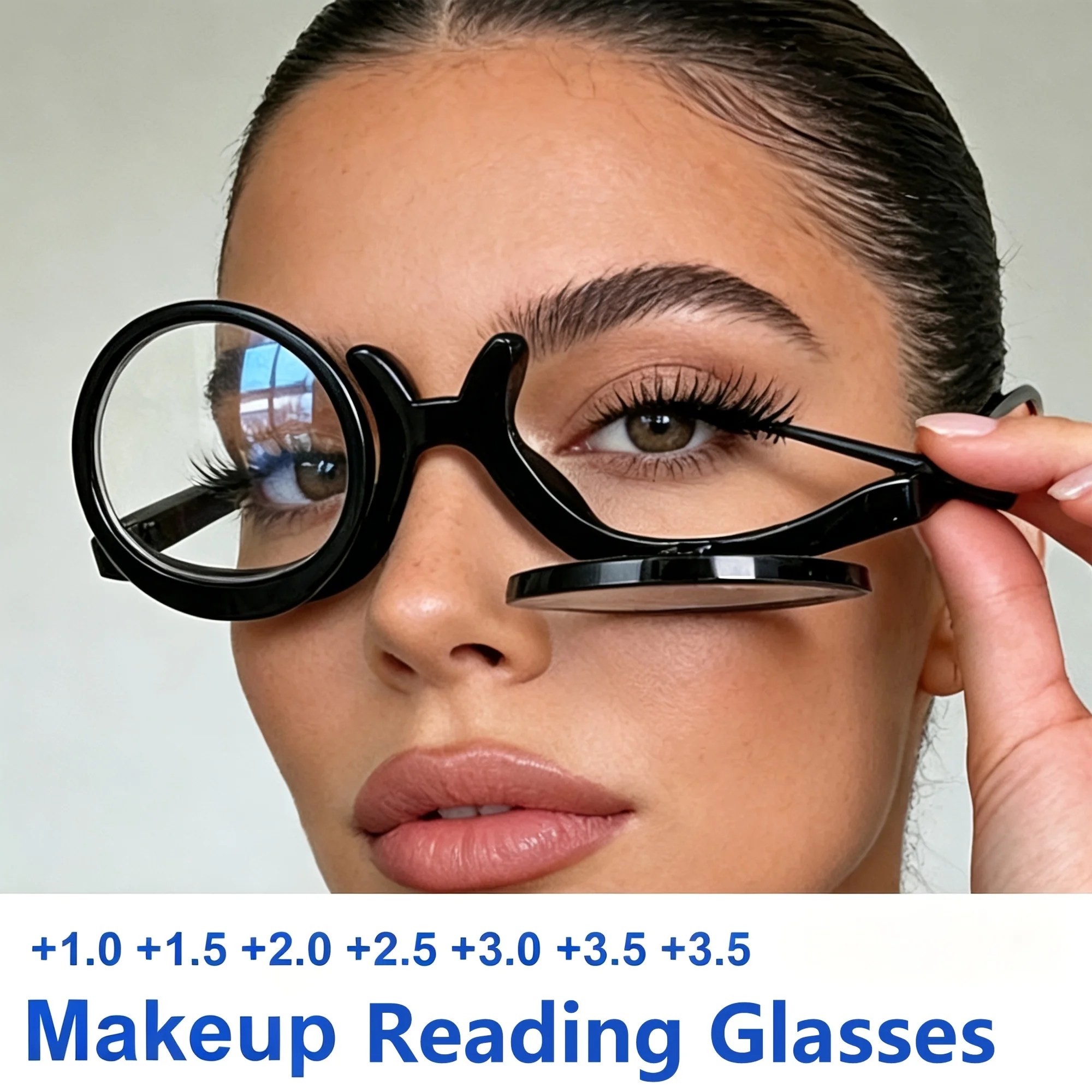
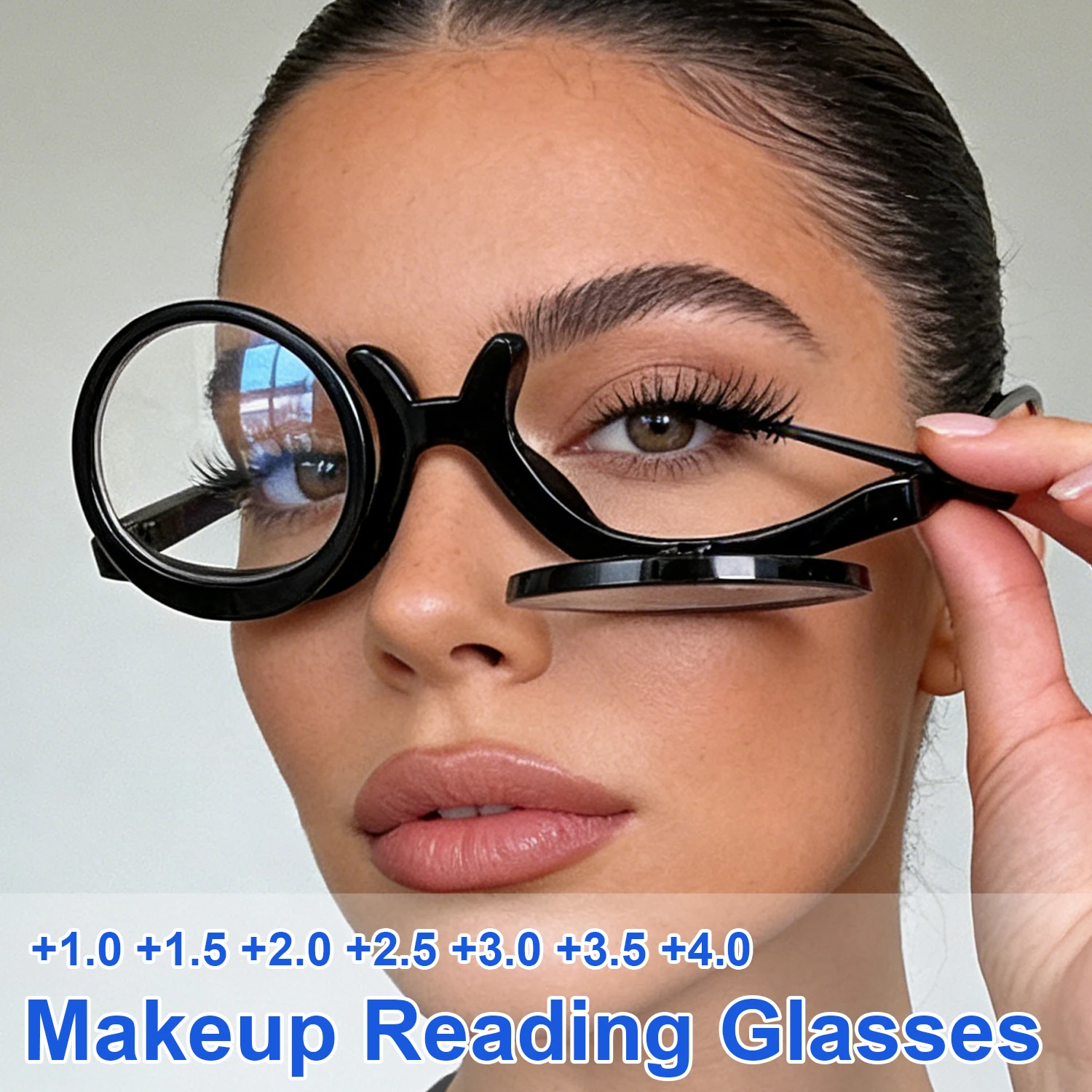
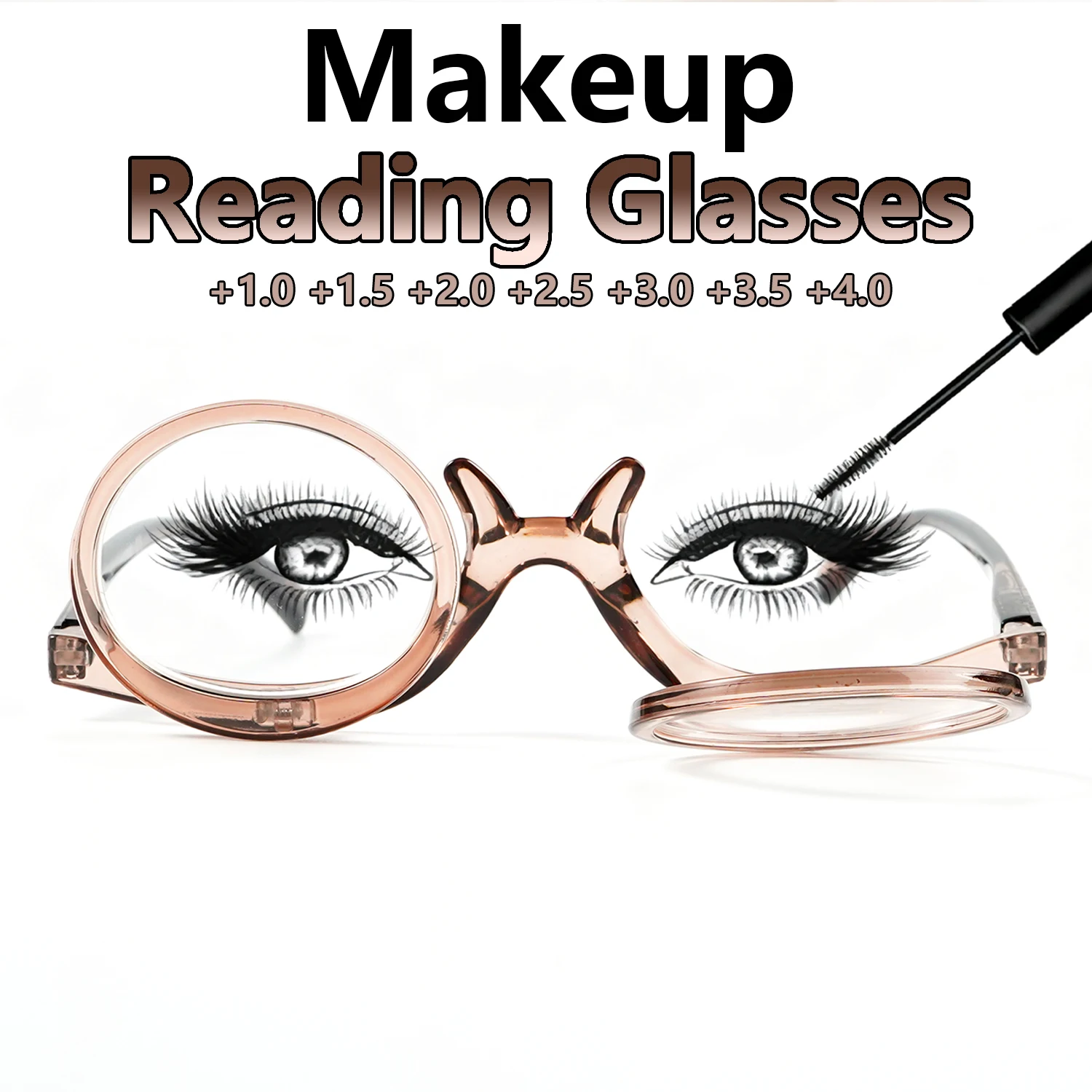
Flip-up magnifying makeup glasses are close-work spectacles with a magnifying lens that lowers for detail and lifts away for a normal view. They suit anyone applying makeup or doing fine facial work. Choose a strength from +100 to +400, starting around +150 to +200 for most everyday tasks.
Flip-up magnifying makeup glasses are bought for one job: seeing fine detail on your own face while you apply makeup, tweeze brows, or check for a stray lash, without taking your eyes off the mirror. They sit on the face like ordinary spectacles, and a magnifying lens folds up out of the way when you do not need it. If you have ever leaned into a mirror, lost your focus, and then leaned back to see the whole face, this is the problem they are designed to remove.
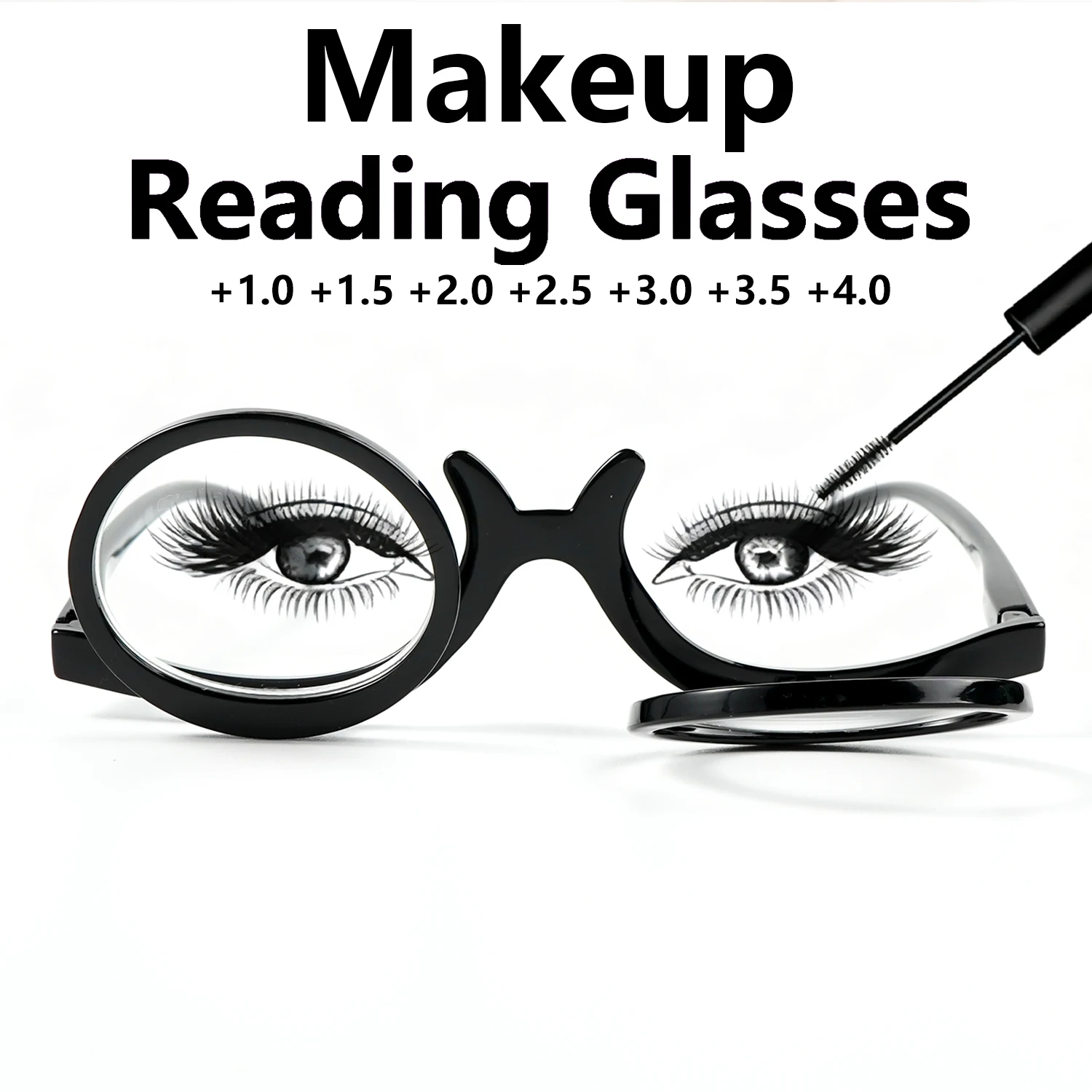
The lenses are positive powers, meaning they enlarge what you look at. The range offered is +100, +150, +200, +250, +300, +350 and +400. The number is a rough guide to magnification strength: a lower figure gives a gentler enlargement and a wider field, while a higher figure gives more magnification but a smaller area in focus. For most people doing eyeliner, foundation and brow work at a standard bathroom mirror distance, the middle of the range is the sensible starting point. If you are not sure, begin at +150 or +200 and move up only if you need more.
How it works
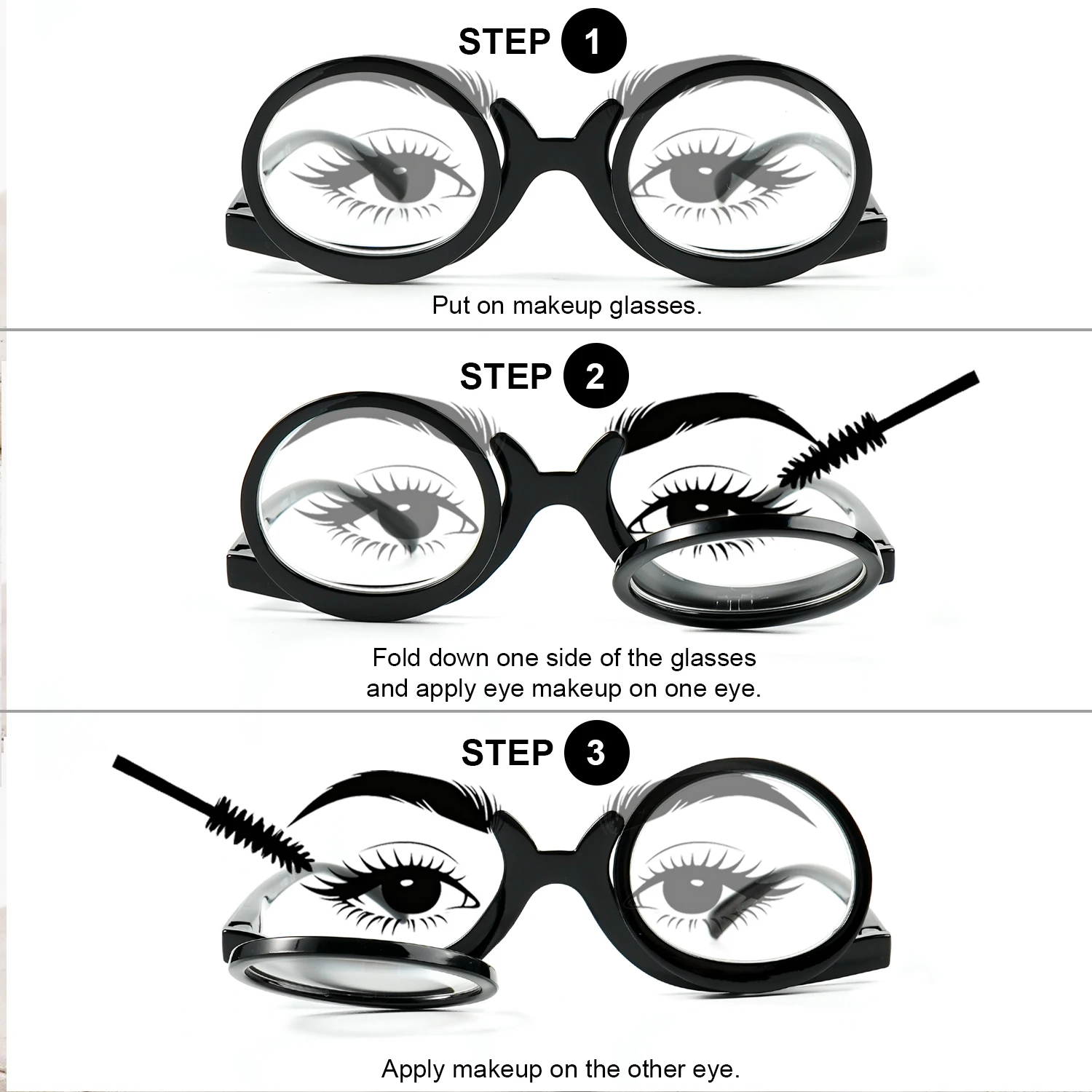
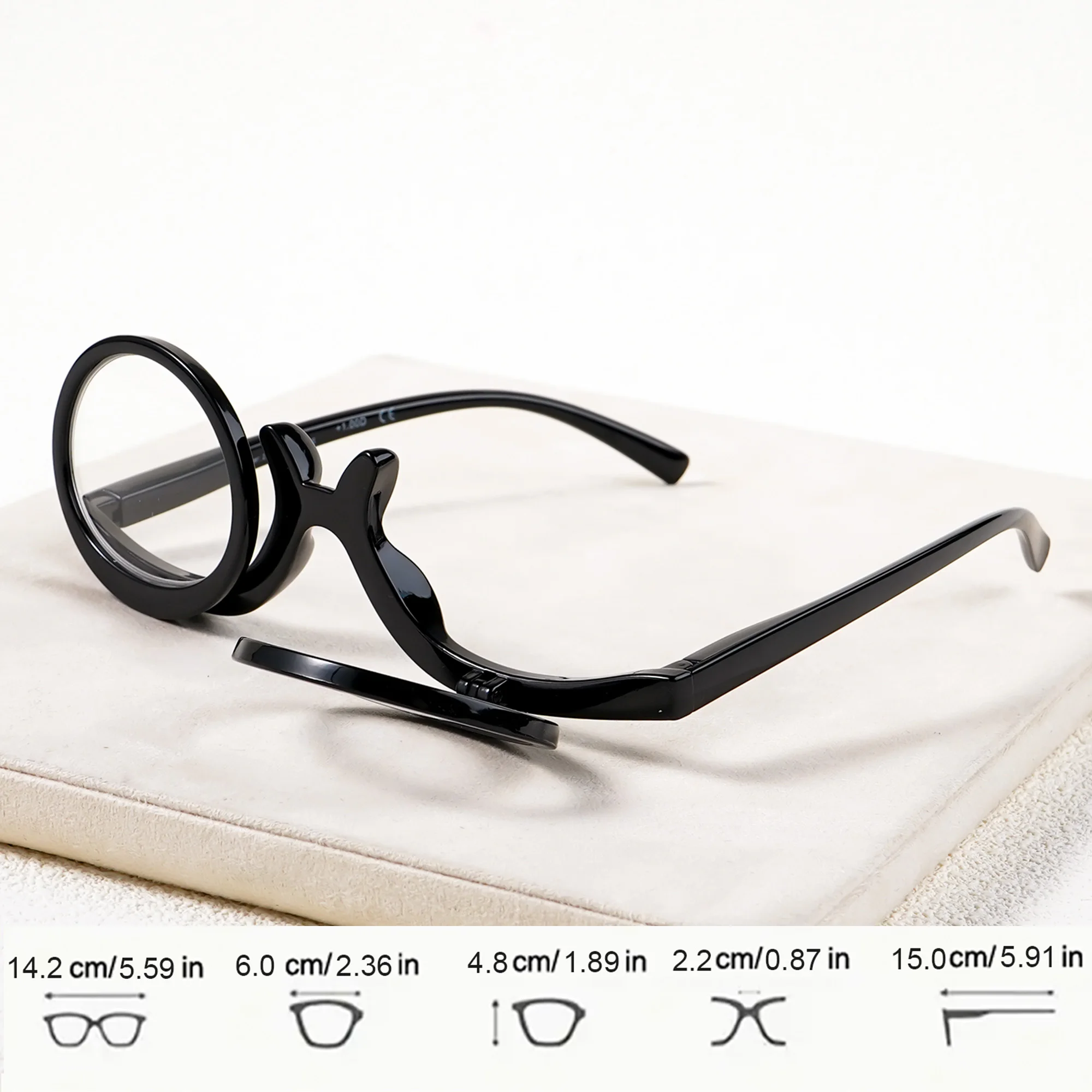
The main lens sits in front of the eye and the flip-up lens is hinged so it can be raised or lowered. Lowered, it brings the image closer and larger, which suits close tasks such as lining the lower lash line or picking out individual brow hairs. Raised, you can see the room and the mirror normally, which is useful for checking the overall look or for talking to someone without taking the glasses off. Because the magnifying element is a separate lens, you are not stuck with the strength you chose for the whole day.
Using them well
Sit at a table or dressing surface with the mirror at about arm’s length, then lower the magnifier and move your head slowly until the image sharpens. Keep the lens clean, since fingerprints and powder film on a magnifier show up far more than they do on normal glasses. Wipe the lenses with a soft dry cloth before each session. Give your eyes a short break every so often, especially if you are doing detailed work for a long stretch, as close focus over time can cause tiredness.
Who they suit
They suit anyone whose close vision has become less comfortable with age, people who apply eyeliner or false lashes and need to see the lash line clearly, and anyone who does precise facial work such as brow shaping. They are also useful for people who wear their own glasses and find that adding a magnifier on top is awkward, provided the frame has enough room. If you already need a prescription for distance, check how the magnifier sits over your existing lenses before relying on them for close work.
Practical situations
Good lighting matters as much as the glasses. A magnifier amplifies what is in front of you, so a dim room makes detail harder to see, not easier. Work near a window in daylight or under a bright, even light source. The glasses are also handy beyond makeup: threading a needle, reading small print on packaging, or checking a splinter on a hand, although they are a cosmetic accessory and not a medical or diagnostic tool.
Real limitations
A magnifier narrows your field of focus. At higher strengths you will need to hold still and move your head rather than your eyes, and the view changes quickly as you tilt. Anyone who finds this disorientating should start with a lower power. They do not correct astigmatism or other distance problems, and they are not a substitute for an eye examination if your vision is changing.
Key benefits
- Flip-up lens: lowers for close work and lifts out of the way when you need a normal view
- Seven strengths from +100 to +400: choose a gentle enlargement or a stronger one for finer detail
- Hands-free magnification: both hands stay free for brushes, pencils and tweezers
- Clear lenses in several frame colours: the lens is the same whichever frame you pick
Specifications
| SKU | 3256812442268693 |
|---|---|
| Frame Color | LH0335-clear blue, LH0335-clear tea, LH0335-light black, LH0335-red black |
| Eye Prescription | +100, +150, +200, +250, +300, +350, +400 |
Specifications are as supplied by the manufacturer.
 Thick Cashmere Wool Winter Socks
 Airplane Leg Rest for Long Flights
 Adjustable Silicone Bottle Brush
 Adjustable Silicone Bottle Pour Spout



Reviews
There are no reviews yet.