



Description
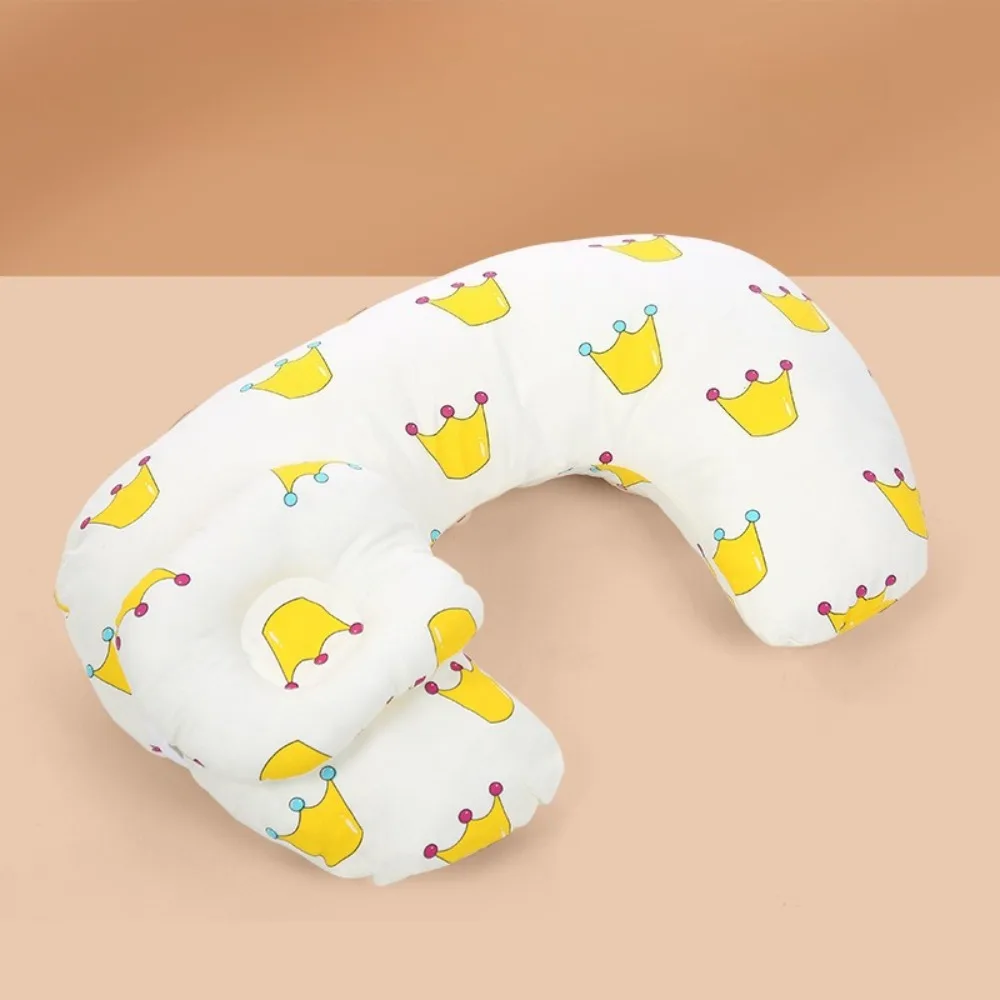
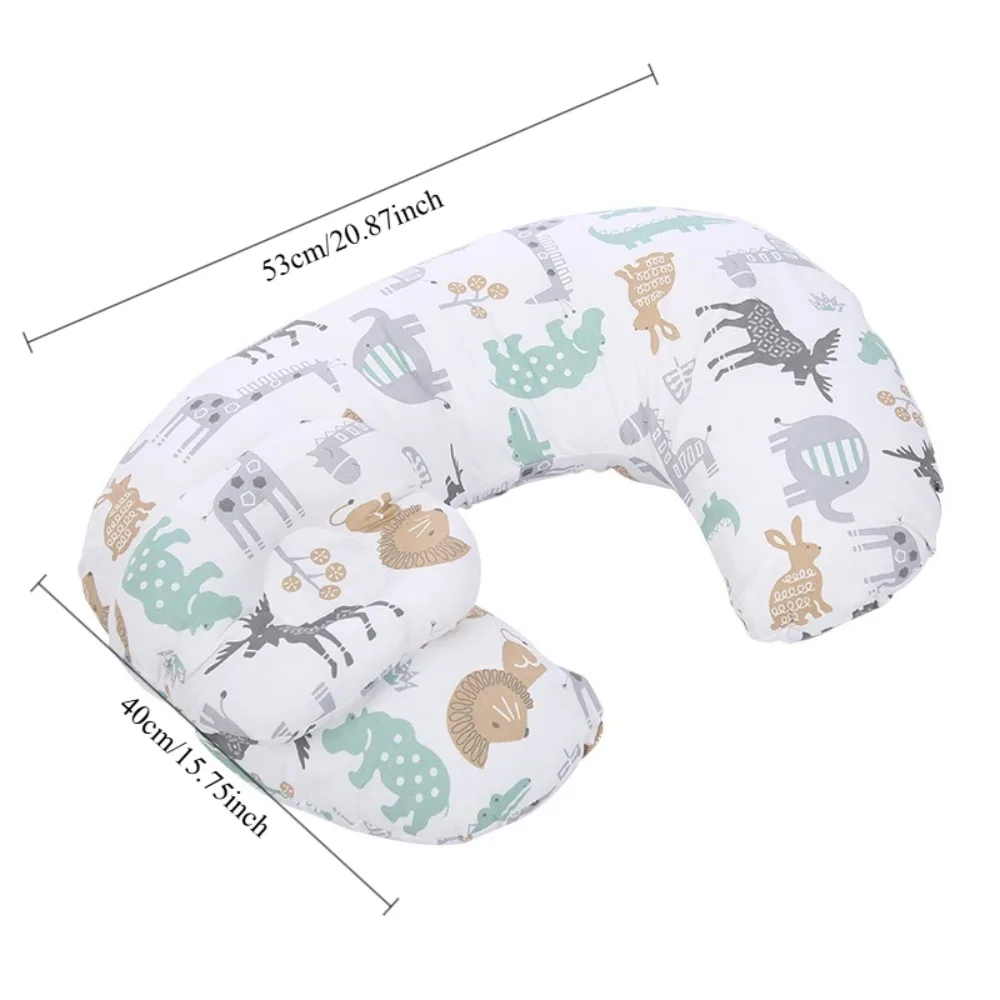
A nursing support pillow raises a baby to breast height during feeds so the parent does not have to lean forward or hold the baby's full weight. It suits anyone feeding frequently, including those recovering from a caesarean section, and fit depends on the size of the usual feeding space.
It is 3am and the baby has latched for the third time in an hour. Your arms are shaking, your back is complaining, and you are working out how to hold a small, wriggling person steady without leaning over them until your shoulders ache. A nursing support pillow is designed for exactly this moment, when you want the baby held at the right height and you want your own body to stop doing the work.
The pillow sits around your waist or across your lap, and the baby rests on top of it. That raises the baby to breast height, so you do not have to hunch forward or lift their weight with your arms. Once they are settled, you can lean back, rest your elbows, or simply let your hands stay free for a drink or a phone.
Where it helps most
Most people reach for a support pillow during the first few weeks, when feeds are frequent and the baby is too small to hold themselves in position. It is equally useful for longer sessions, such as the slow feeds that happen when a baby is unsettled or when you are sitting on a sofa with nowhere firm to rest your arm.
It also suits anyone recovering from a caesarean section, where lifting and leaning forward can pull on the wound. Placing the pillow across your lap keeps the baby off your abdomen and lets you feed without bending. If you are unsure whether the position will be comfortable for your recovery, check with your midwife or doctor first.
Fitting it to your body
Before you buy, measure the space you usually feed in. A pillow that is too wide for a narrow armchair will feel awkward, and one that is too low may not lift the baby high enough to be useful. Sit in your usual spot, tape out roughly the width of the pillow on the floor or the cushion, and check that there is room for your arms and the baby together.
Once you have it, adjust the position so the baby’s head sits level with your breast and their body is turned towards you, tummy to tummy. Use the pillow’s shape to cradle their back and bottom, then bring your own arm around them. You may need to shift it a few times before it feels right.
Practical notes
A support pillow is not a substitute for a good latch or for a feeding position that works for you. If you find you are still struggling to lift the baby, or if feeding is causing pain, speak to a lactation consultant or health visitor. The pillow can make a session easier to sustain, but it does not fix the underlying cause of discomfort.
Keep it somewhere you can reach it from your usual chair, since you will want it in place before the baby starts to fuss. Many parents find it earns its space over the first few months and then moves to the nursery for tummy time and sitting practice later on.
Key benefits
- Raises the baby to breast height, so you do not have to lean forward or hold their weight with your arms.
- Supports the baby's back and bottom, so they stay in position while your hands are free.
- Lifts the baby off the abdomen when placed across the lap, which can help during recovery from a caesarean section.
- Makes long or night feeds less tiring on your shoulders, neck and lower back.
Specifications
| SKU | 3256811819004569 |
|---|---|
| Colour | 1, 2, 3, 4, 5, 6, 7, 8, 9 |
Specifications are as supplied by the manufacturer.
 Thick Cashmere Wool Winter Socks
 Pushchair Organiser Bag
 Universal Pushchair Rain Cover
 Pram Mosquito Net










Reviews
There are no reviews yet.