

Description
Bedside safety rails are usually bought at the point where a child starts sleeping in a bed with no cot sides, or where a toddler has begun climbing out of a cot and needs something to stop a roll onto the floor. This rail is designed for that stage: it fixes to the side of an adult bed so that the gap between the mattress and the bed frame, or the open edge of the mattress itself, is covered while the child sleeps or settles.
What it is and how it works
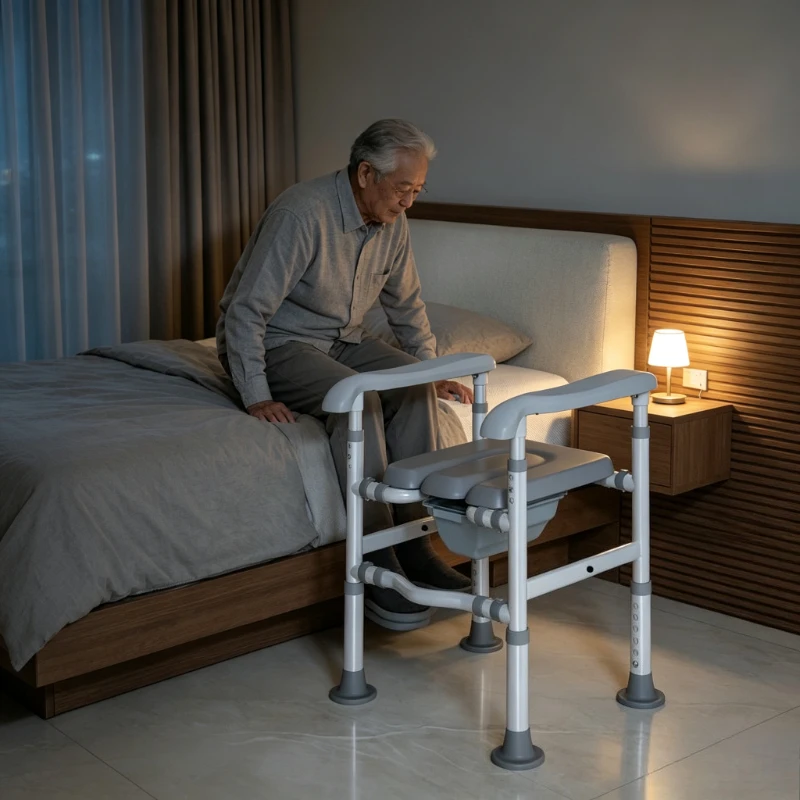
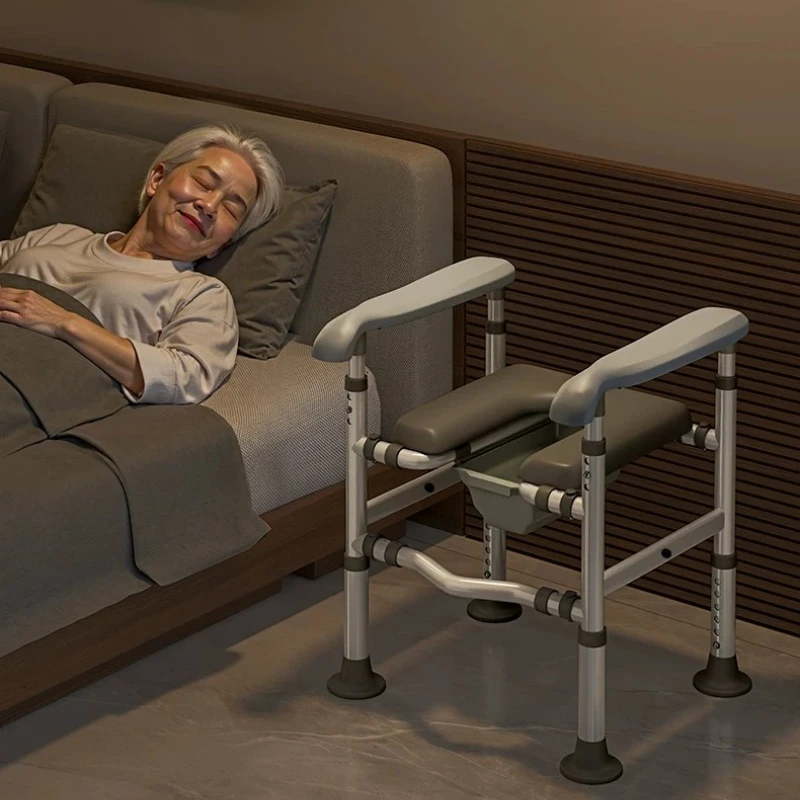
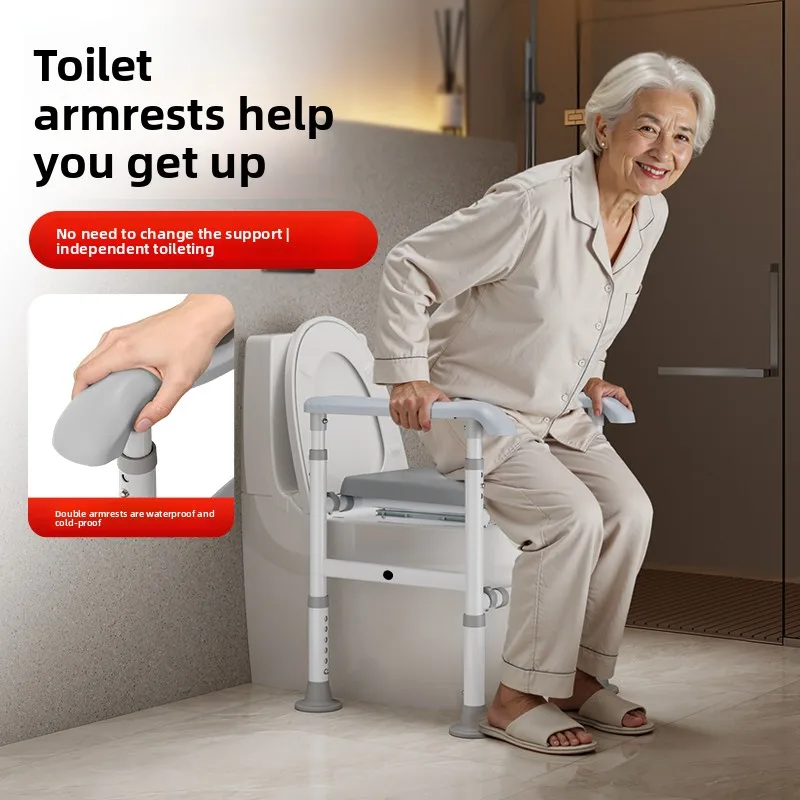
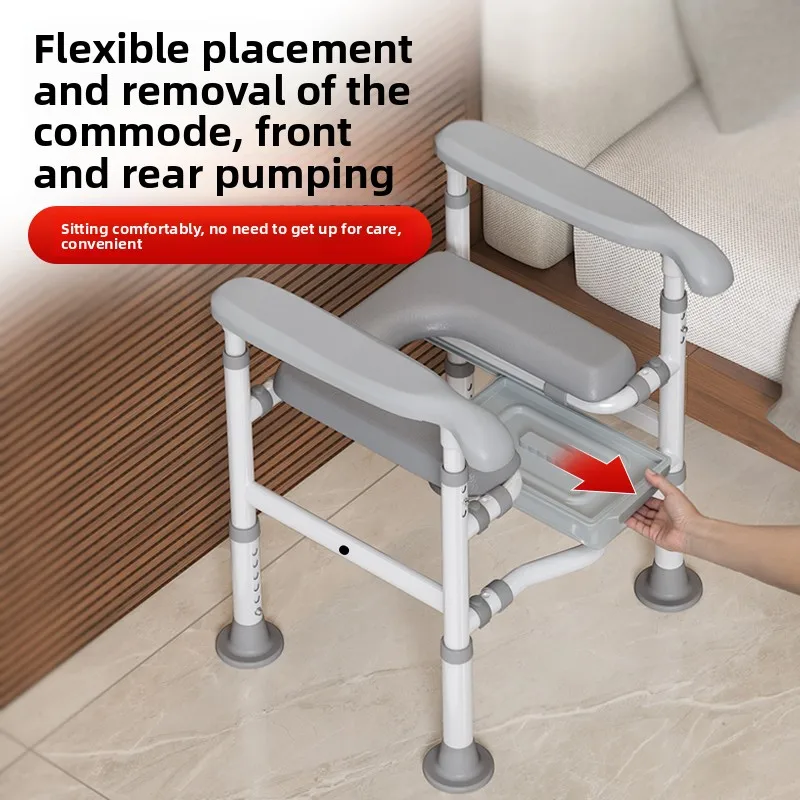
The product is an adjustable children’s bedside rail. The verified supplier data identifies it as suited to indoor use, and the variation options include a toilet basin fitting, an anti-slip pad and a suction cup pad. Those three attachment and contact options correspond to the three common situations people fit a rail for: a bed with a smooth or slippery frame, a bed where the rail needs to sit against a flat surface without marking it, and a bed where a stable base matters more than anything else. Choose the variation that matches the surface the rail will press against, rather than the one that looks most attractive in the photo.
The rail is adjustable, so it can be set to the height and reach needed for the bed in question. Before fitting, lay the rail against the bed at the position you intend to use and check that the top edge sits high enough to stop a child rolling over it, and that the lower end meets the bed frame or mattress edge without leaving a gap a small arm or leg could slip through.
Who it suits
This rail suits parents and carers moving a child from a cot into a standard bed, families whose child has started climbing or rolling out at night, and anyone setting up a sleeping space for a child in a home where the bed is used every day. Because the variations cover different contact surfaces, it can be fitted to a range of bed types, though the bed itself should be checked for a stable, flat side before the rail is installed.
Practical use
Fit the rail before the child first sleeps in the bed, not after a fall, and check it at the start of each week, tightening any adjustment that has loosened. Keep the rail on the side where the child normally exits the bed, and avoid placing furniture or bedding in a way that could catch on the rail or pull it away from the bed. If the bed is moved, take the rail off, clean the contact area and refit it in its new position.
Limitations
A bedside rail reduces the chance of a child rolling or sliding out of bed, but it does not replace supervision and it is not a barrier a determined child cannot climb over. Fit it to a bed that is firm and level, and do not rely on it alone for a child who is very active or who has already climbed out of a cot repeatedly. Measure the gap between the bed and the wall as well, since a rail only helps if the open side is the one that needs covering.
Key benefits
- Adjustable height and reach, so the rail can be set to suit the bed it is fitted to.
- Anti-slip pad option for beds with a smooth or slippery frame, helping the rail stay in place.
- Suction cup pad option for fitting against a flat, smooth surface without relying on clamps.
- Toilet basin fitting option for a different contact point on the bed frame.
- Designed for indoor use, matching the bedroom setting it is bought for.
- Simple to move between beds, so the same rail can follow a child from one room to another.
Specifications
| SKU | 3256812845833566 |
|---|---|
| Colour | 01 Toilet basin, 02 Anti-slip pad, 03 Suction cup pad, 04 Toilet basin, 05 Anti-slip pad, 06 Suction cup pad, 07 Indoor use, 8 Dual-purpose chair |
| Use | Indoor use |
| Other option | Dual-purpose chair |
Specifications are as supplied by the manufacturer.
 Thick Cashmere Wool Winter Socks
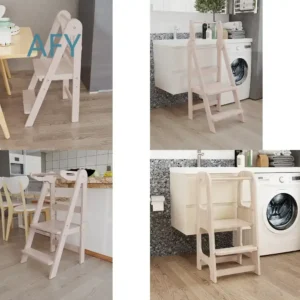 Foldable Children’s Step Stool with Grip Surface
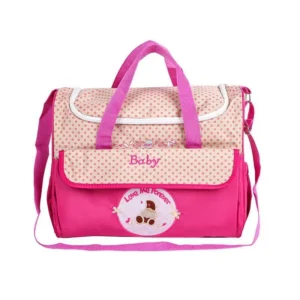 Adjustable Baby Changing Bag Divider
 Smart Children’s Lost Item Tracker
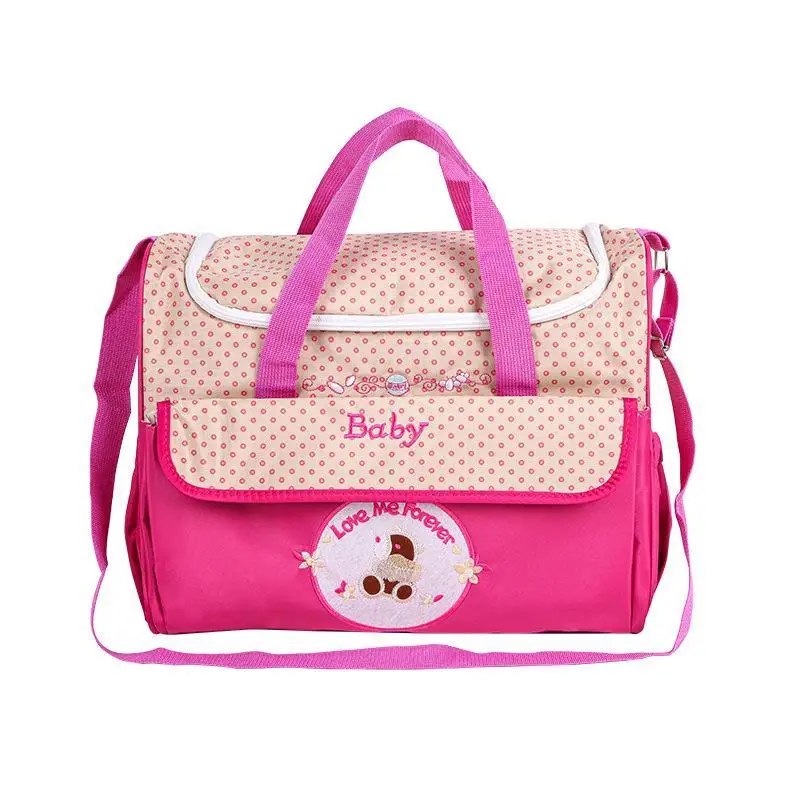





Reviews
There are no reviews yet.