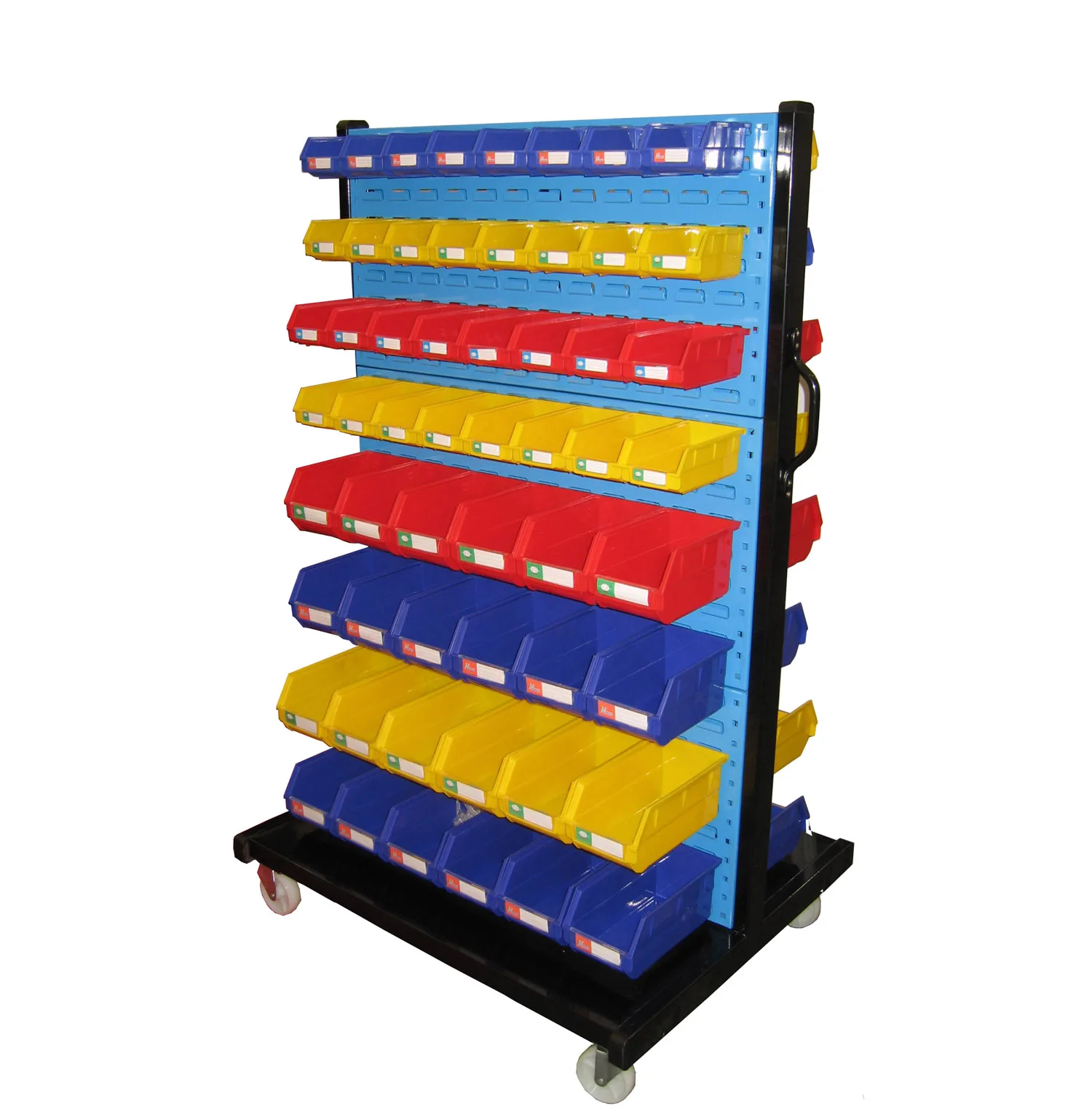

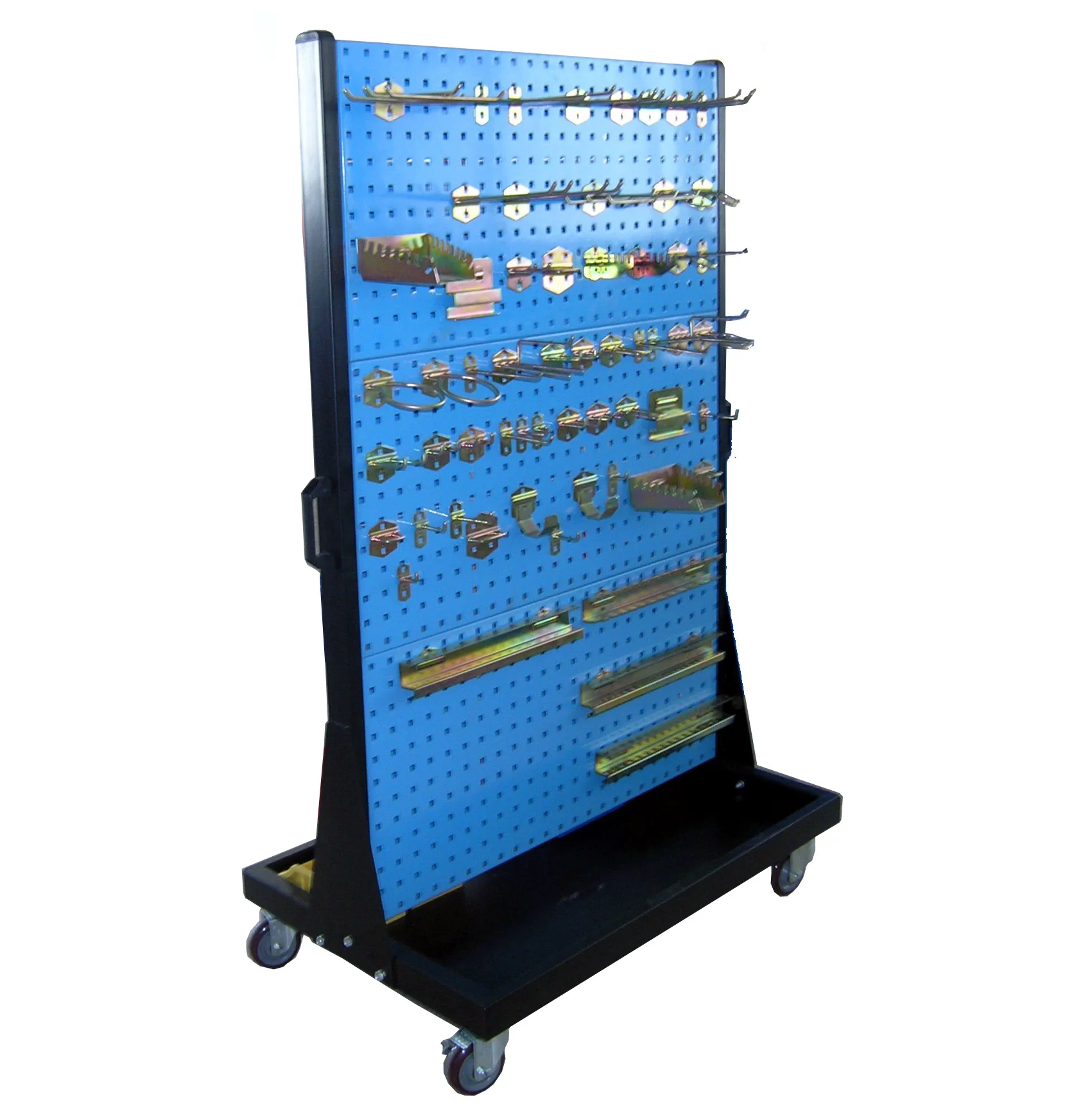


Description
Most toy clutter starts the same way: a box in the corner that everything gets thrown into, then a weekly tidy that turns into a search for the one piece that is missing. An automatic toy storage sorting system is for that situation. It gives each type of toy its own place, so putting things away becomes a matter of dropping them in the right spot rather than sorting through a pile.
The idea is simple. Rather than one open container, the system divides storage into separate compartments that a child can reach and use without help. Because the sorting is built into the storage itself, the tidy-up stops being a job that falls on an adult at the end of the day and becomes something that can happen as part of play.
How it works in everyday use
Start by deciding how you want to group things. Many families sort by type, such as cars and figures in one place, building bricks in another, and soft toys in a third. Others sort by who uses them or by which room the toys are played in. Once you have settled on the groups, load each compartment with its matching items so that the system has a clear pattern to follow. Children pick up on this quickly, especially when the labels or colours match the toys they already know.
After that, the routine is mostly about keeping it consistent. Show your child where things go the first few times, then let them lead the clear-up. A short run of sorting before bed or before the next activity usually works better than one large clear-out, because the habit is easier to hold onto.
Who it suits
This kind of storage fits households with young children who have a steady and growing collection of toys, particularly where several children share a room or a play area. It is also useful in a family room where toys need to be kept out of the way but still close to hand. If your toys are mostly large items or fragile pieces that need individual protection, check whether the compartments will hold them before you commit.
Practical situations
It works well in a playroom corner or along the wall of a bedroom, where it can be used as a fixed unit. Before buying, measure the wall or floor space you have available, and allow room in front so that a child can reach the compartments comfortably and open them without bumping into furniture. Check the sizes of your most-used toys against the compartment openings, since a mix of very small and very large items can be harder to keep neat in equal-sized spaces.
Limitations to keep in mind
A sorting system only stays tidy if the sorting rules are simple enough to remember. If your collection changes often or you add new kinds of toys every month, the groupings will need adjusting from time to time. It is also not a substitute for supervision with very small parts, and anything that gets rough handling will wear faster than a closed box would. Used sensibly, though, it turns clearing up from a chore into a routine that children can actually manage.
Key benefits
- Separate compartments for each toy type, so children can put things away in the right place without help.
- Built-in sorting that keeps groups together, making it quicker to find a specific toy.
- Reduces the end-of-day tidy-up to a short, repeatable routine rather than a large sort-out.
- Keeps toys off the floor and out of walkways in shared play areas.
- Easy for young children to understand because each space has a clear purpose.
Specifications
| SKU | 3256812966784179 |
|---|
Specifications are as supplied by the manufacturer.
 Thick Cashmere Wool Winter Socks
 Smart Nursery Sound Level Monitor
 Children’s Shoe Size Measuring Mat
 Portable Baby Changing Waste Bag Dispenser

Reviews
There are no reviews yet.