Description
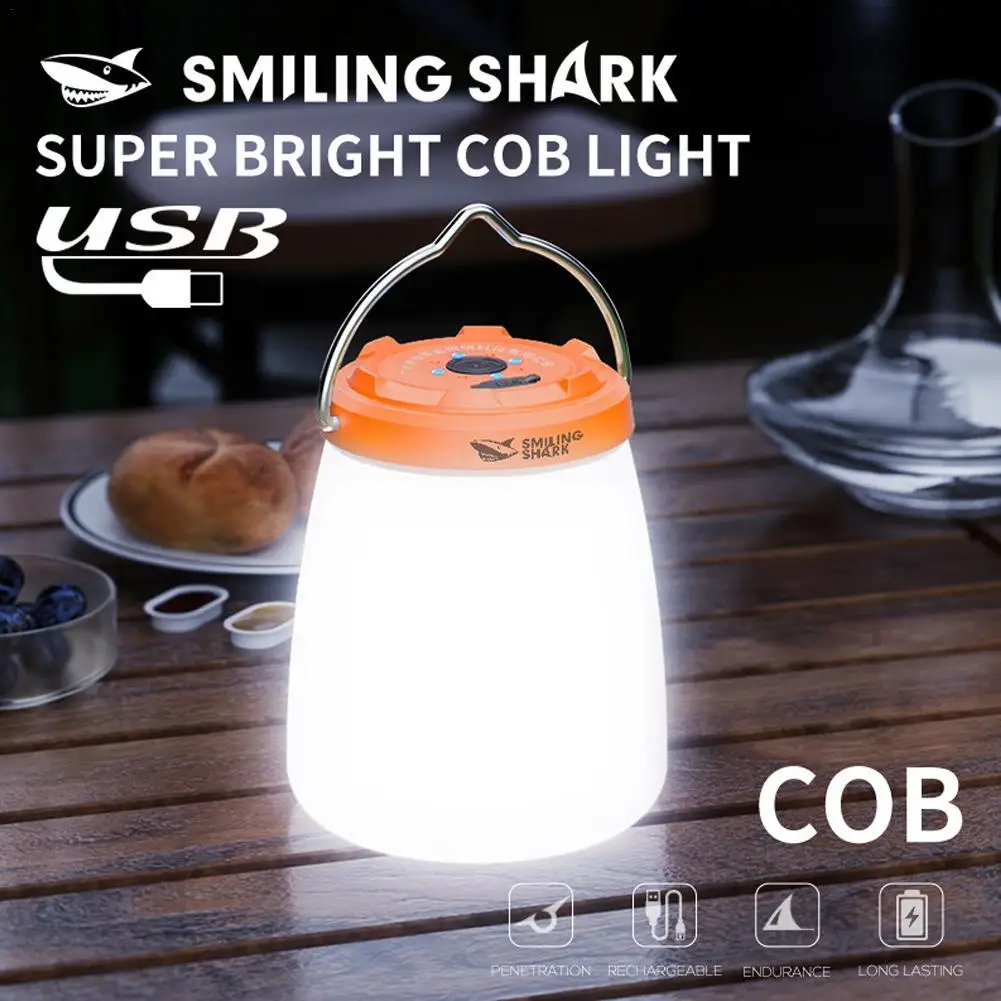
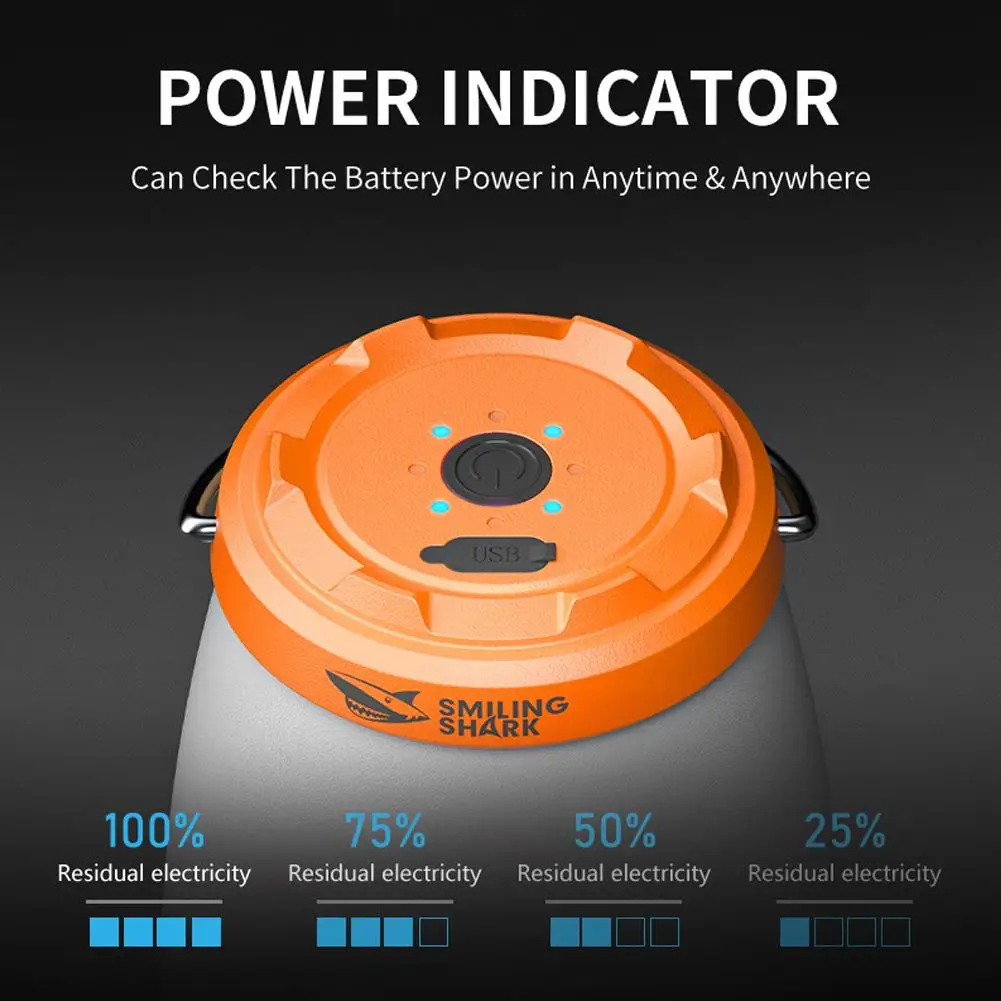
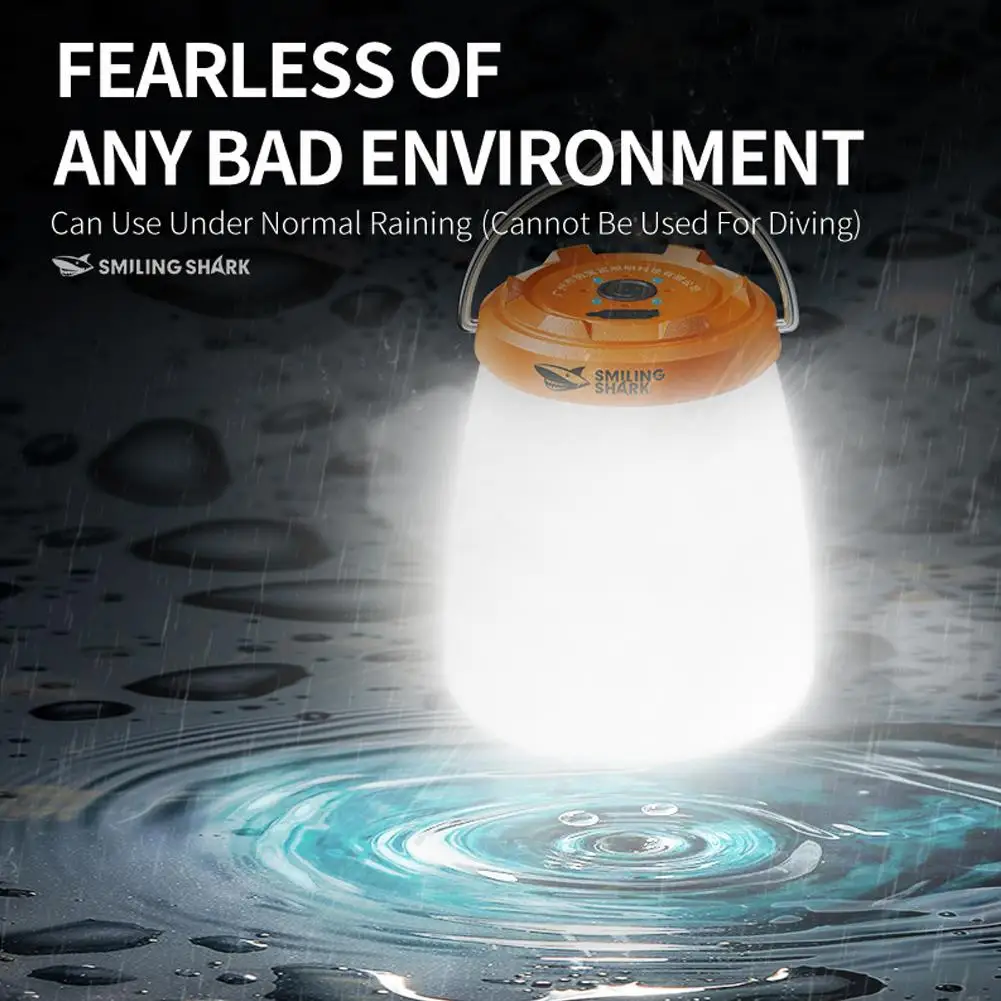
A camping lantern with a hook is usually bought for the moment the tent goes up after dark and nobody can find the zip, the stove or the spare socks. This one is meant to be hung from a tent loop, a branch or the inside of a porch so that both hands stay free for the job in hand. It runs from a rechargeable battery, so there are no disposable cells to buy or carry spares of on a longer trip.
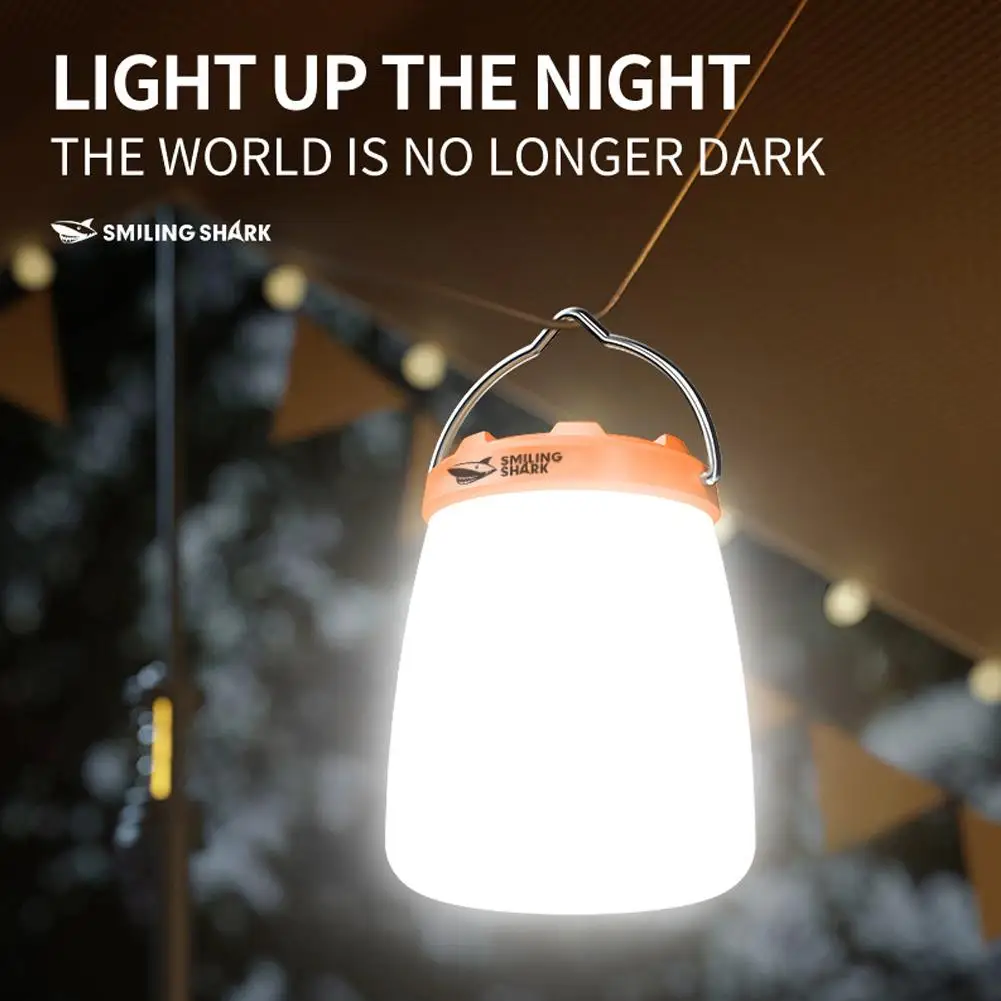
The hook is the detail that matters most. Most lanterns sit on a table or the ground, which means they either take up space you need or end up pointing at the wrong thing. Hanging it from the ridge of a tent or a cross-beam in a shelter puts the light overhead, where it spreads across the whole space rather than pooling in one corner. That is useful for cooking, for sorting gear and for reading a map without holding a torch between your teeth.
How it works in practice
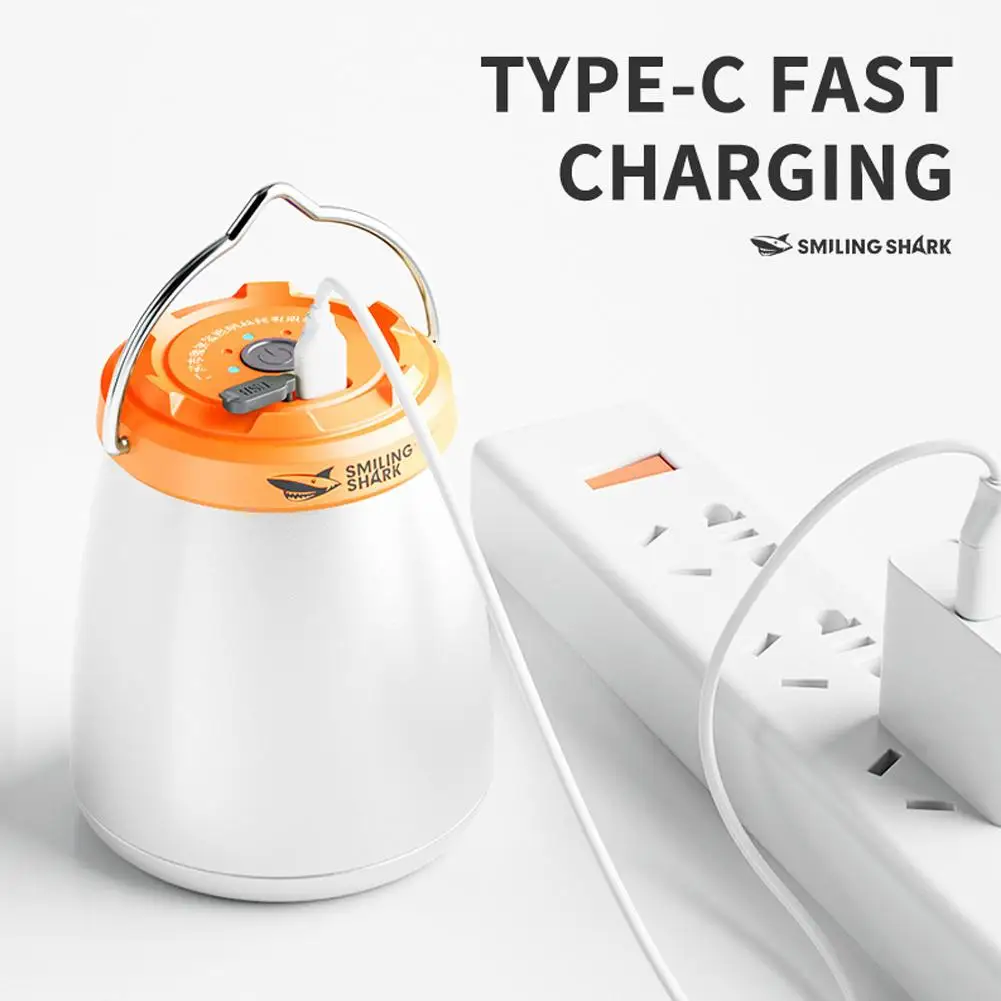
Charge it before the trip rather than on the day you leave. A rechargeable light is only useful if the battery is full when you need it, so plug it in at home the evening before and check it has come up to full. Once charged, switch it on and use the lowest setting that gives you enough light for the task. Running at a lower brightness stretches the time between charges, which matters more on multi-night trips where you may not have mains power.
Hang it before you start the job, not after. Find a point that is high enough to light the work surface but not so close to the fabric that heat or contact becomes a concern. Check the hook sits firmly on whatever you have chosen, because a lantern swinging above a stove or a sleeping bag is a poor surprise at night.
Who it suits
This is a good fit for car campers, tent campers and anyone who spends evenings in a shared shelter, a camper van or a bell tent. It also works for power cuts at home or a garden shed, since the hook means it does not need a table. It is less suited to hiking where every gram counts, and to anyone wanting a lantern for a long period of fully off-grid use without a way to recharge it.
Practical situations
Tent lighting is the most common use: a single light overhead lets you dress, find things in your bag and move around without tripping over guy lines. Under a gazebo or awning, the hook lets you light a cooking or eating area that would otherwise be dark once the sun goes down. Around a campsite, it can mark your pitch so you can find your way back from the toilets without a head torch.
Limitations to keep in mind
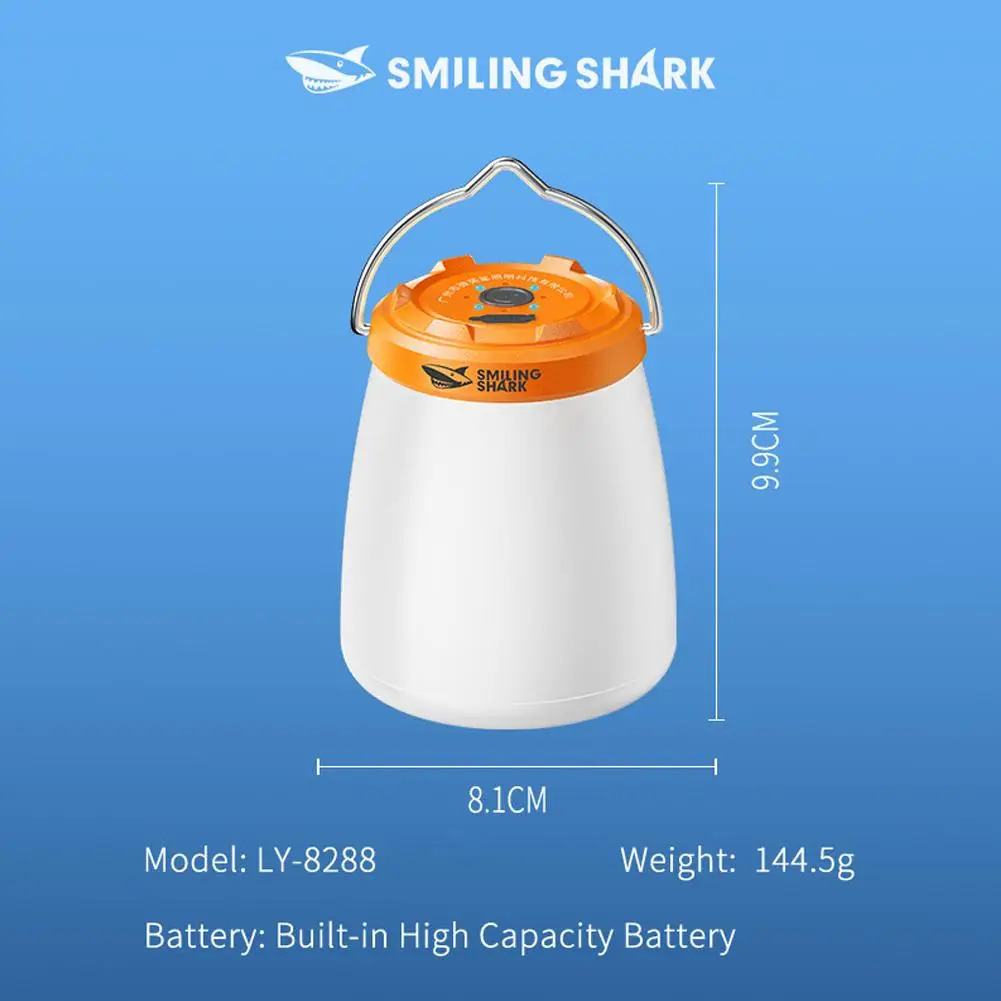
A hanging light is only as steady as what it hangs from. Use it on a loop or hook that can take the weight, and keep it clear of anything that could knock it down in the night. Keep it out of reach of children and pets, and do not leave it running unattended in a closed space for long periods. Before you buy, check the photos against the space you have in mind, since a lantern that looks compact on screen can feel large once it is hanging in a small tent.
Key benefits
- Hook for hanging: keeps the light overhead and both hands free while you work
- Rechargeable battery: no disposable cells to buy or carry on a trip
- Overhead placement: spreads light across a tent or shelter rather than one corner
- Lower brightness settings: stretch the charge across multi-night stays
- Table-free use: suits a tent, gazebo or shed where there is no surface to stand it on
Specifications
| SKU | 1005008477304065 |
|---|---|
| Colour | A, b |
| Ships From | CN |
Specifications are as supplied by the manufacturer.
 Ribbed Knit Beanie with Faux Fur Pom-Pom
 Bohemian Stackable Beaded Bracelet Set of 4
 Large Matte Hair Claw Clip
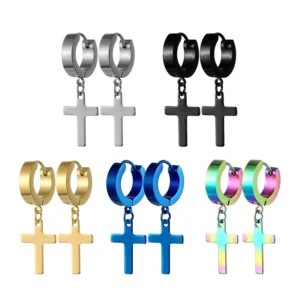 Stainless Steel Cross Hoop Earrings



Reviews
There are no reviews yet.