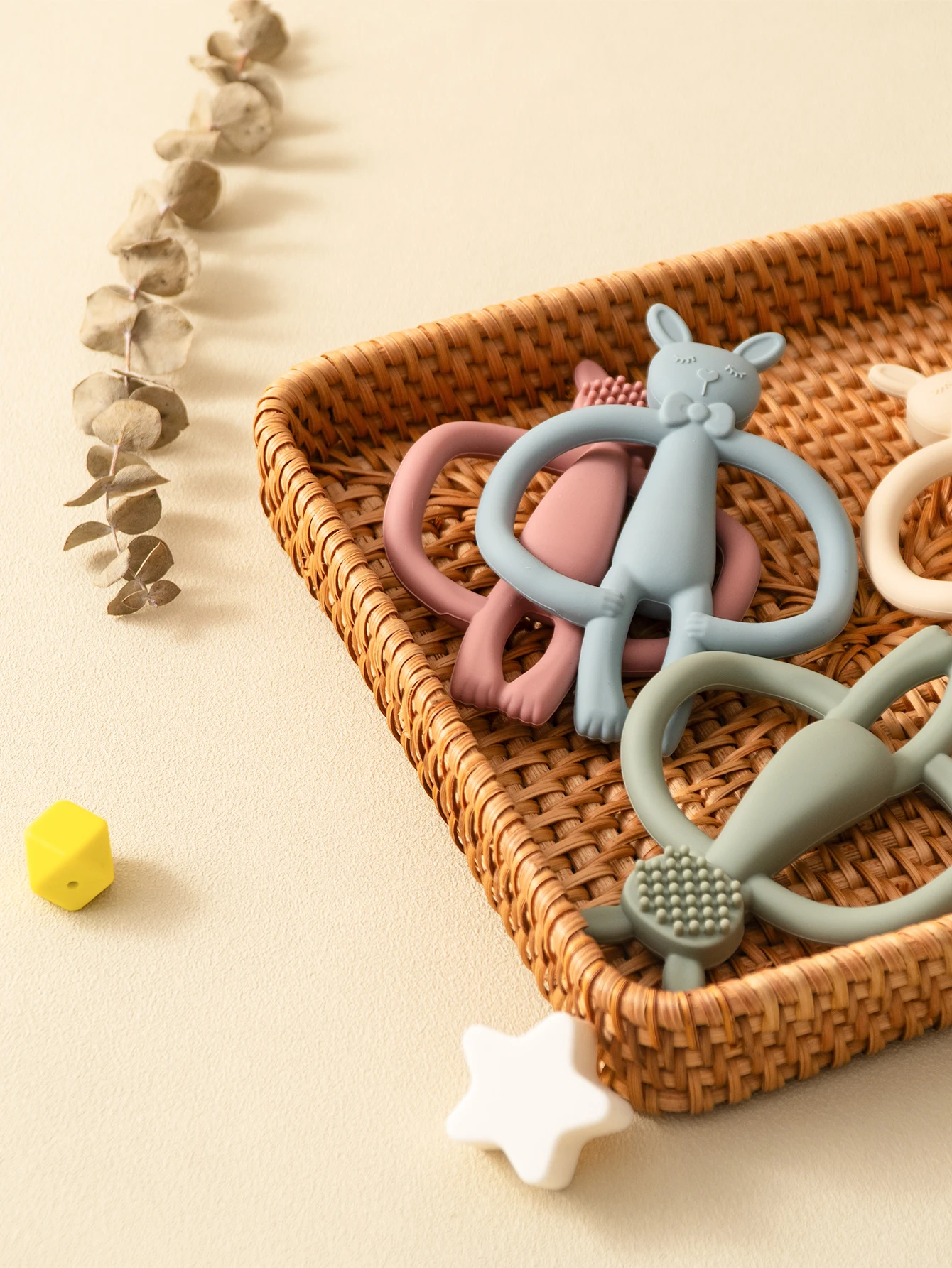
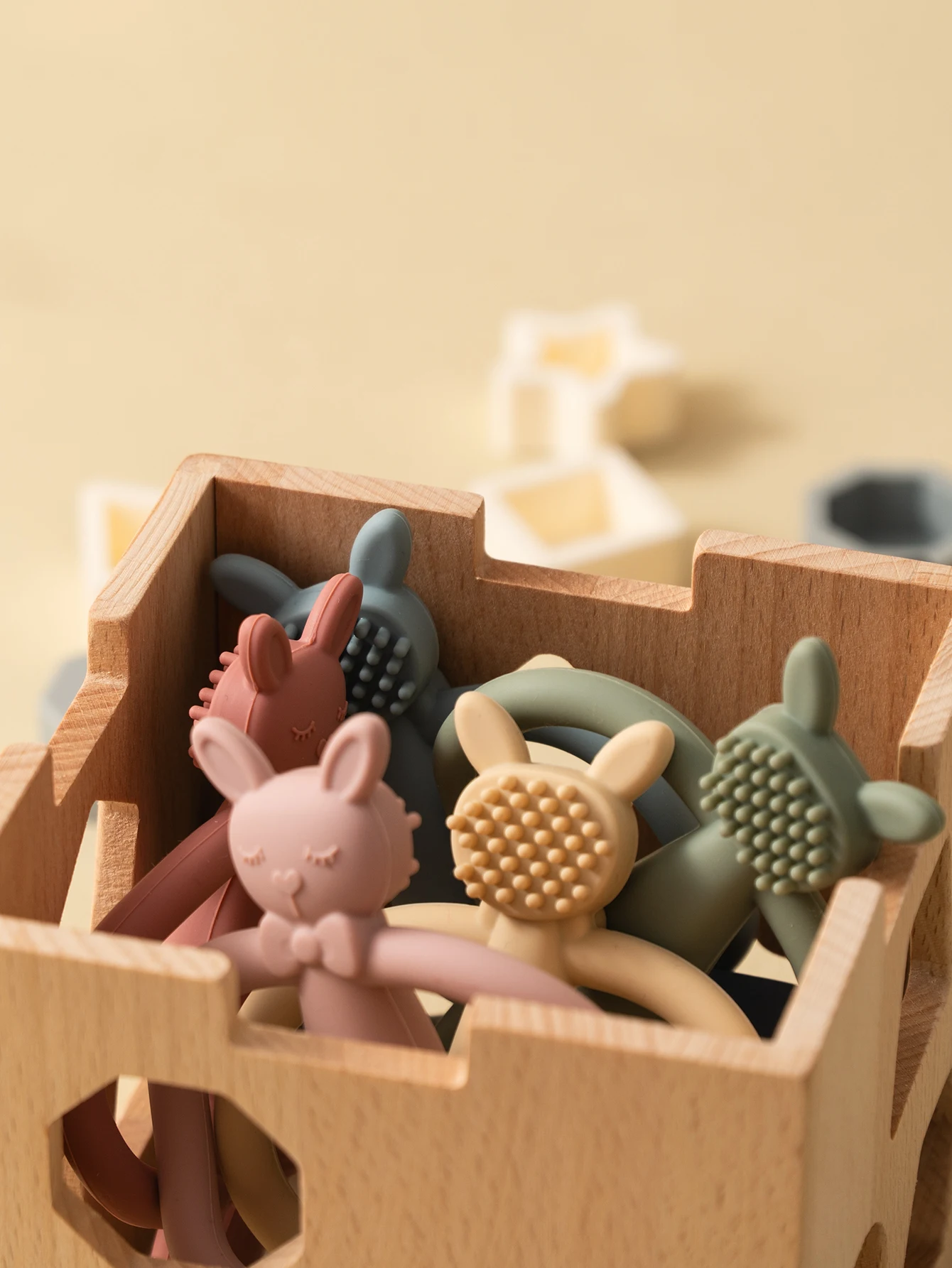
Description
Teething usually arrives in the middle of the night, or in the middle of a meal, and it tends to show up with very little warning. A silicone teether is one of the simplest things to have to hand when it does. Parents and carers tend to buy them in the weeks before the first teeth are expected, so there is something ready to offer when a baby starts chewing on fingers, sleeves and the edge of the cot.
What the teether is
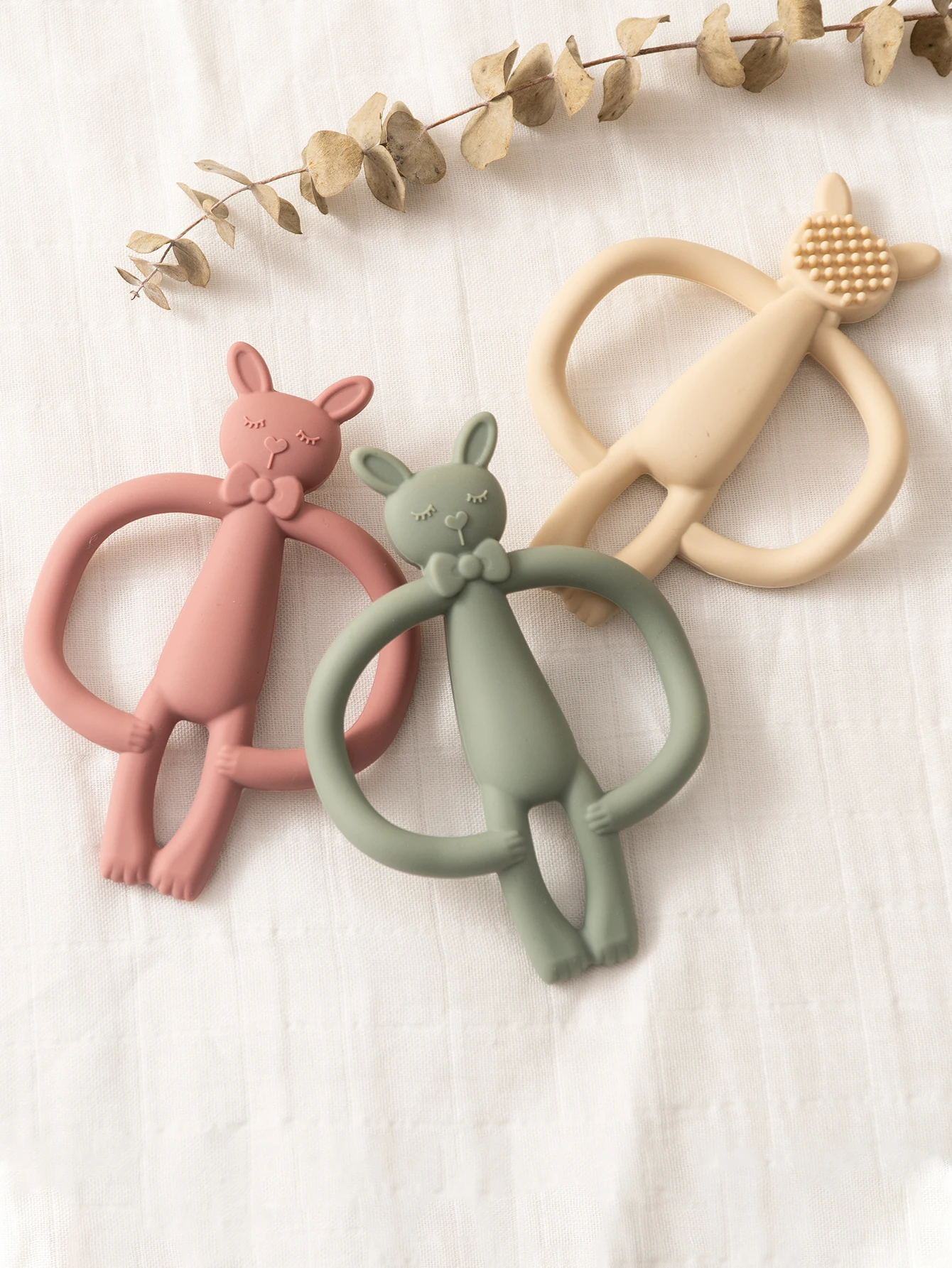
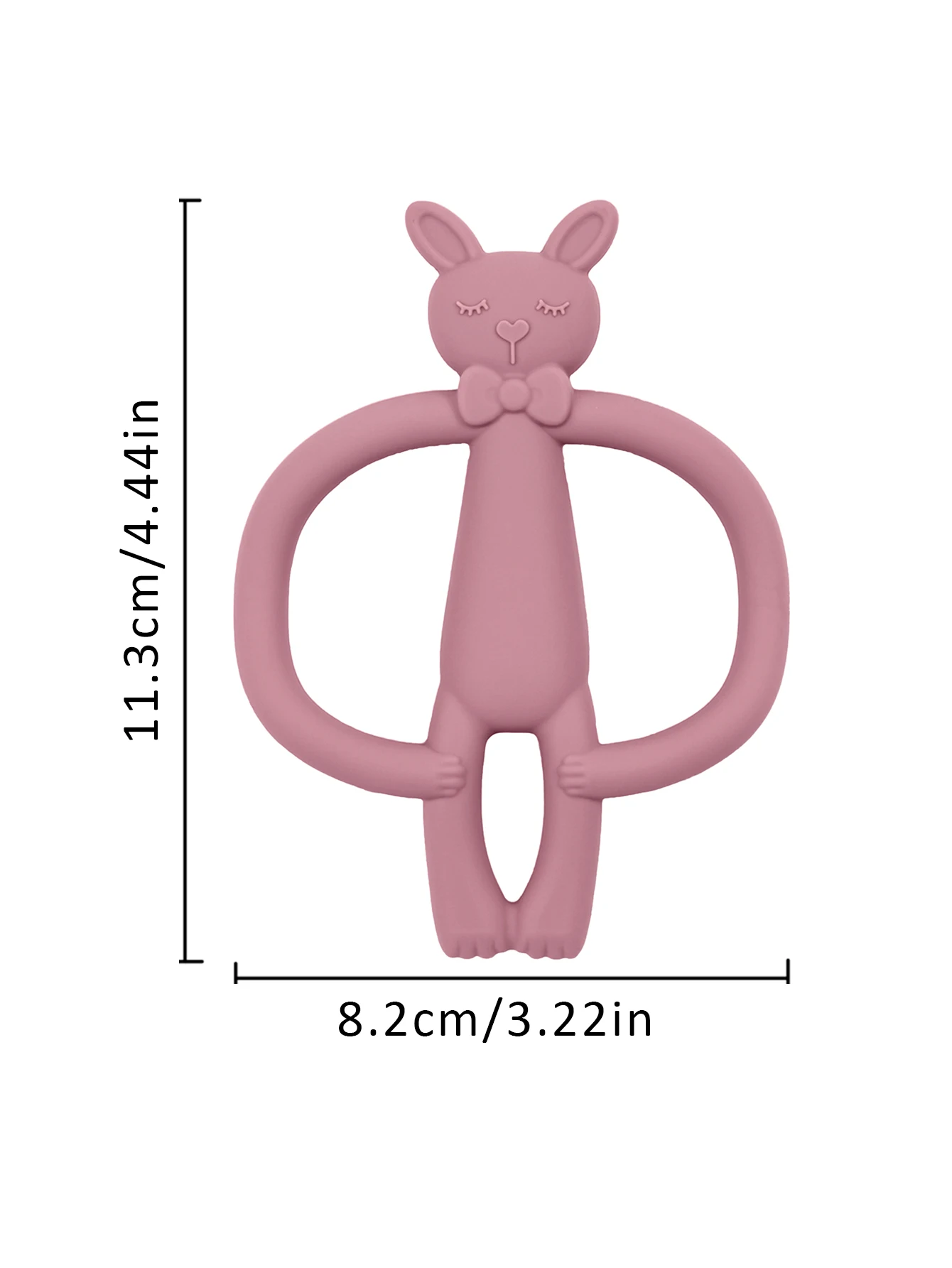
These are soft silicone teething toys for babies. Each one is shaped to be held in a small hand and put in the mouth, so the baby can press and chew on it. The silicone is flexible enough to give a little under pressure, which is what most babies are looking for when their gums are sore. The toy is designed to be picked up, moved around and dropped, which suits the stage when a baby is learning to grip and explore with their hands.
How to use it
Give the teether to your baby while they are awake and supervised, and let them decide how hard to chew. Most babies find the spot on their gums that feels best and work at it. Check the teether regularly for any sign of wear, and take it out of use if the surface tears or a piece starts to come away. Keep it away from the cot when your baby is asleep, as a loose toy in a sleeping space is not a good idea.
Choosing a colour
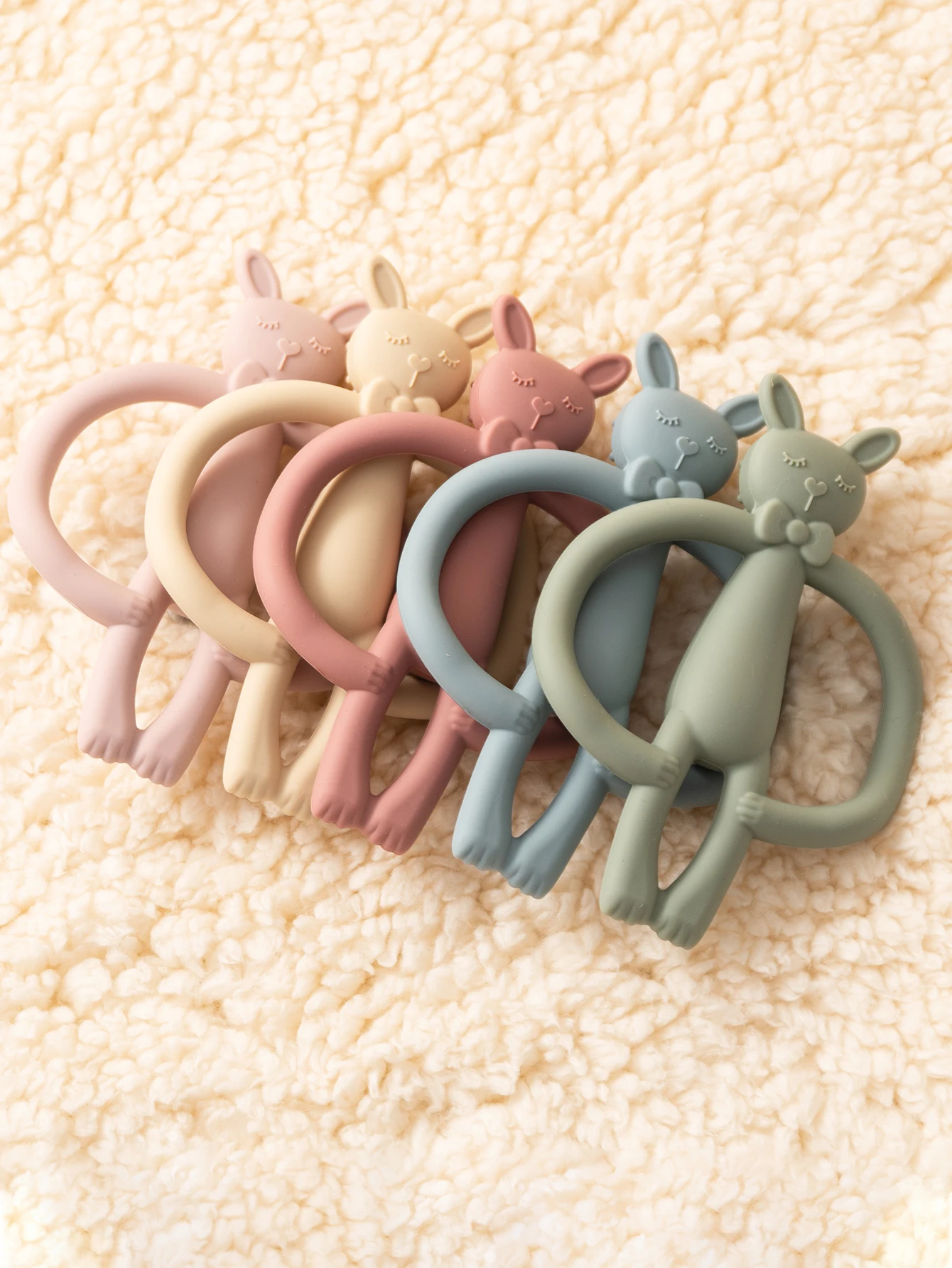
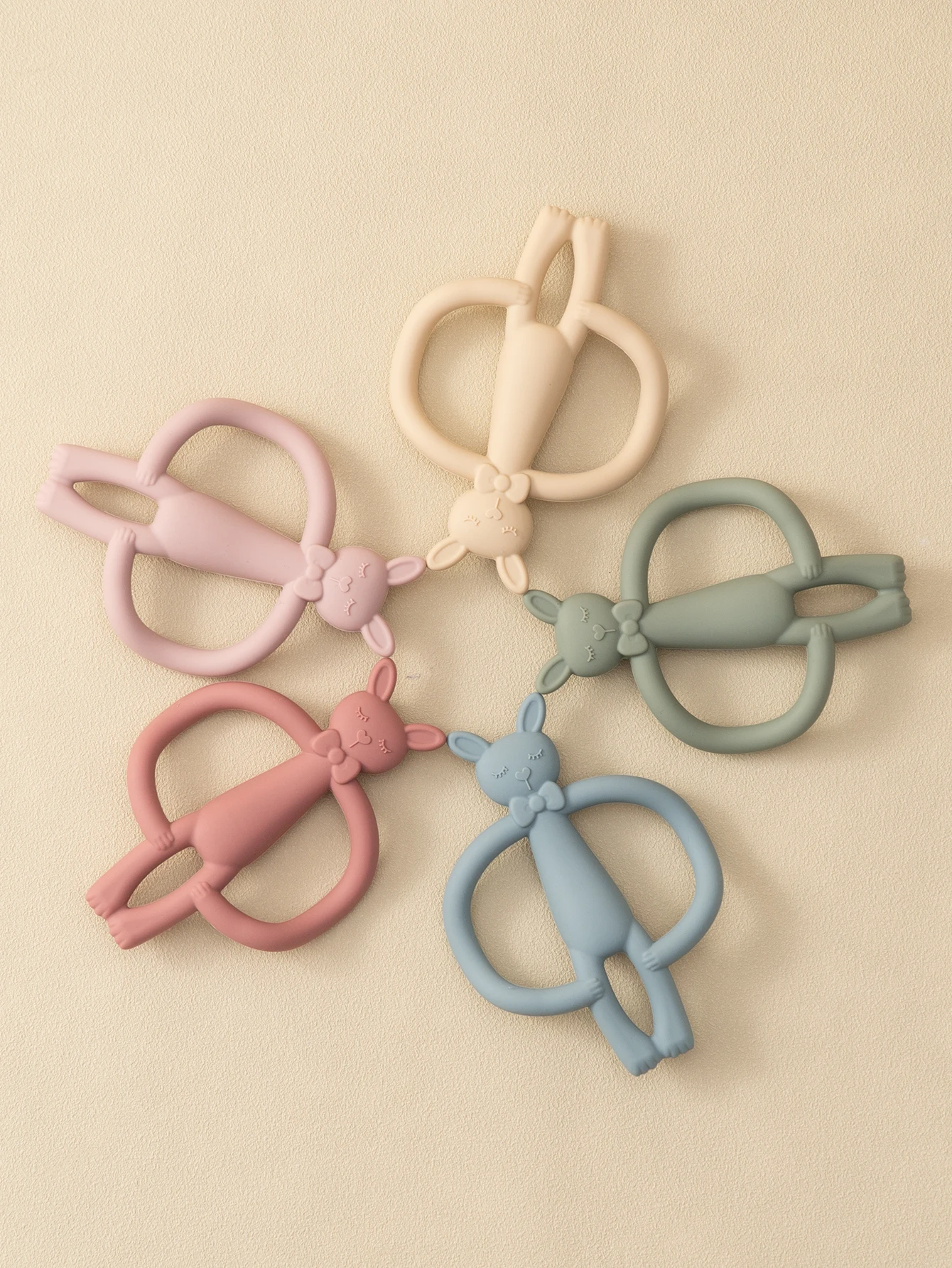
The range is offered in five colours: shifting sand, pale mauve, dusty rose, ether and desert sage. The colours are soft and muted, which makes them easy to match with a nursery or a pram. If you are buying more than one, choosing a different colour for each place you will keep them, such as the changing bag, the car and the cot, makes it easier to spot which one is which when it has been dropped on the floor.
Who it suits
These teethers suit babies who are old enough to hold something and bring it to their mouth, which is usually from around the time they start to sit up and reach for objects. They are a good fit for families who want a simple, plain teether without added parts, and for anyone who wants something to give a baby during car journeys or waiting rooms. Because the design is simple, there is little to set up before use.
Practical situations
A teether is most useful in the moments when a baby is fussy and needs something to chew on: during a feed break, while being carried, or when the gums are tender in the evening. Keep one in the bag you take out of the house so it is available away from home. Rinse the teether under running water after it has been on the floor or out of the house, and wash it more thoroughly when it has been handled by other children.
Limitations
A teether can ease the discomfort of teething, but it will not stop teeth from coming through, and it is not a substitute for advice from a health professional if your baby seems unwell or the teething pain is severe. Supervise your baby every time they have a teether, and do not leave it in reach while they are asleep. Choose the teether that fits your baby’s grip and your own routine rather than trying to find a single toy that does everything.
Key benefits
- Soft silicone that gives under the baby's gums, so they can chew without it feeling hard against sore areas.
- Shaped to be held in a small hand, which helps a baby who is just learning to grip and bring objects to their mouth.
- Simple one-piece design with no separate parts to come loose, so there is less to check before each use.
- Five muted colours that make it easy to tell teethers apart in a changing bag or on the floor.
- Easy to rinse under running water after it has been dropped or taken out of the house.
Specifications
| SKU | 3256808474081469 |
|---|---|
| Colour | 001 shifting sand, 003 pale mauve, 005 dusty rose, 007 desert sage, 008 ether |
| Ships From | China Mainland |
Specifications are as supplied by the manufacturer.
 Thick Cashmere Wool Winter Socks
 Non Slip Toddler Socks
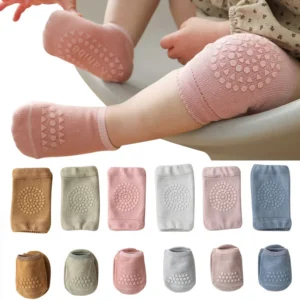 Baby Knee Pads for Crawling
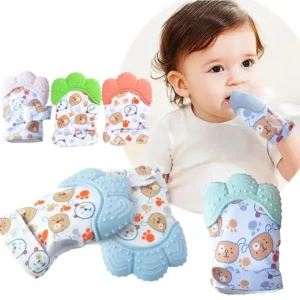 Baby Teething Mitten


Reviews
There are no reviews yet.